
Jet Lag Cure does not have to ruin the first days of travel. With the right sleep timing, light exposure, hydration, and routine, recovery can feel faster, calmer, and more controlled.
Jet Lag Cure is one of the most searched travel problems because it sits at the intersection of biology, comfort, and productivity. When your internal clock disagrees with local time, you may feel sleepy, wired, foggy, hungry at the wrong time, or strangely awake in the middle of the night. That mismatch is not just annoying; it can affect mood, appetite, digestion, decision-making, and how much of the trip you actually enjoy. The good news is that a better Jet Lag Cure is not based on random tricks. It is built from a few science-backed habits that help your body shift more efficiently.
For many travelers, Jet Lag Cure becomes urgent right after a long-haul flight because the first impression of a destination often happens while the brain is still half in departure mode. You may arrive wanting to explore, but your body still thinks it is dinner time at home or middle of the night somewhere else. That is why recovery strategy matters so much. A smart plan can reduce the slump, help you sleep at the right time, and make the trip feel more like a fresh start instead of a slow fog.
How Jet Lag Happens
Jet Lag Cure starts with understanding the cause. Jet lag happens when your circadian rhythm, which is your internal 24-hour clock, is out of sync with local time. Light exposure, meal timing, sleep timing, and movement all influence this clock. The farther you travel across time zones, the stronger the mismatch tends to be. Eastward travel is often harder because it requires going to bed earlier than your body expects, while westward travel often feels easier because staying awake longer is more natural for many people.
A practical Jet Lag Cure works because it does not fight biology blindly. Instead, it nudges the body in the new direction with repeated signals. Light in the morning can help reset the clock one way, while darkness in the evening can help preserve it. Meal timing and activity also send cues to the body about when to be alert and when to slow down. Once you understand that jet lag is a timing problem, the recovery plan becomes much easier to follow.
Why Some People Feel It More Than Others
Not everyone needs the same Jet Lag Cure because people react differently to travel. Age, sleep quality, stress level, flight length, direction of travel, and even personal chronotype all matter. A night owl may adapt differently from an early riser. Someone already sleep deprived before departure will often feel the effects more strongly than someone who is well rested. This is why no single trick solves every case, even though many internet tips claim otherwise.
Jet Lag Cure also depends on how much structure you can create after landing. If your first 48 hours are packed with meetings, sightseeing, or social events, the adjustment may feel harder. If you can control your schedule, the body has a better chance to adapt. That is why recovery is partly science and partly planning. It is not only about what you do on the plane; it is about what you do before departure and during the first days on the ground.
Pre-Flight Preparation
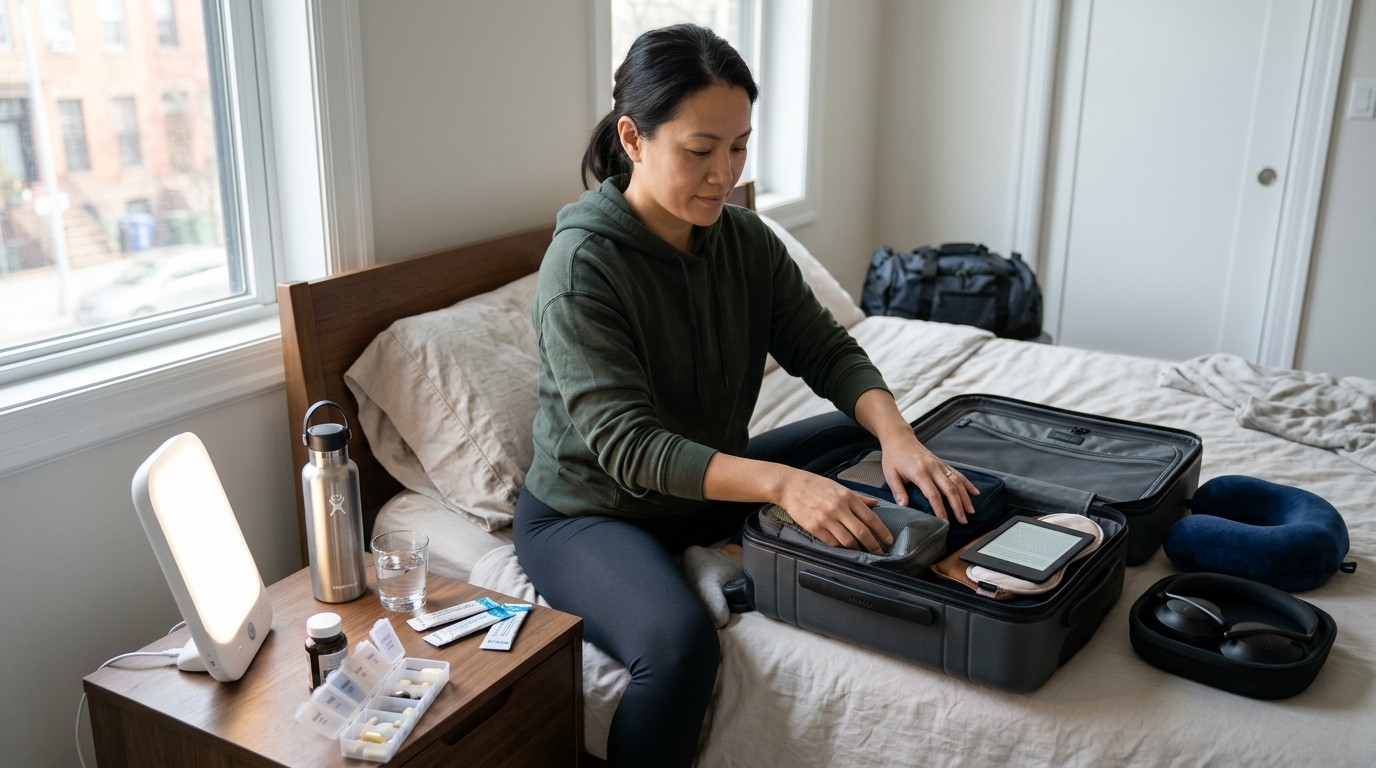
A strong Jet Lag Cure begins before takeoff. Sleep as well as possible in the days before travel, because starting a long flight already tired makes recovery more difficult. If your trip is important, avoid stacking back-to-back late nights before departure. That does not mean you need perfect sleep, but it does mean the body should not begin the journey exhausted. A rested baseline gives you more flexibility when the schedule changes abruptly.
Another useful Jet Lag Cure strategy is to think about time-zone direction before you leave. If you are flying east, try shifting your bedtime earlier for a few nights if possible. If you are flying west, a slightly later schedule may help. Even small changes can make the first adjustment less painful. You do not need a dramatic sleep overhaul; you only need enough preparation to make the destination clock feel less shocking when you land.
Hydration also matters before a trip. Dehydration does not cause jet lag, but it can make fatigue and headaches feel worse. A good Jet Lag Cure includes arriving with your body in decent condition, not already stressed by poor sleep, too much caffeine, or too little water. If you begin the journey in balance, the next steps become easier to manage.
On the Plane
The flight itself matters more than many travelers realize, and a practical Jet Lag Cure starts there. Try to align sleep on the plane with the time you want to sleep at your destination, especially on overnight long-haul flights. If the cabin schedule allows, using the flight as part of your sleep plan can reduce the shock of arrival. If you sleep at the wrong time in the air, you may make the first night harder than necessary.
Light exposure on the plane is also worth managing. A simple Jet Lag Cure may include using an eye mask when you want to sleep and limiting bright screen exposure when you are trying to shift into rest mode. The goal is not perfection. The goal is consistency. Your brain responds to repeated signals, so every decision in the air either helps the adjustment or delays it.
Movement during the flight can support circulation and reduce stiffness, which is not a direct treatment for jet lag but still helps you feel less miserable. A Jet Lag Cure is most effective when it reduces the pile-up of discomforts. If you arrive with better circulation, a calmer nervous system, and a little sleep alignment already in place, the first day is more manageable. Small actions in the air pay off later on the ground.
The First 24 Hours After Landing
What you do immediately after landing can make or break your Jet Lag Cure. The first rule is to orient to local time as soon as you can. That means deciding whether the next sleep period should be a nap, a normal night’s sleep, or a short rest followed by wakefulness. Many travelers ruin recovery by sleeping too long during the day and then lying awake at night. A better approach is to use local time as the anchor.
Morning light is one of the most powerful tools in Jet Lag Cure. Natural daylight tells the brain that it is time to be awake, and evening darkness helps it understand when to wind down. This is why a short walk outside after arrival can help so much. The combination of light, motion, and fresh air does more than lift mood; it gives your circadian system a clear message about the new time zone.
Food timing matters as well. A useful Jet Lag Cure often includes eating your main meals according to local time rather than following the clock from home. Meals are one of the body’s strongest scheduling signals. If you eat and sleep in sync with the destination, the body has a better chance of shifting in the right direction.
Sleep Strategy That Actually Helps
Sleep is the center of any Jet Lag Cure, but the best sleep strategy is not always “sleep more.” Sometimes it is “sleep at the right time.” If you arrive in the morning after an overnight flight, a short nap may help, but a long one can sabotage your first night. If you arrive late at night, it may be better to go straight to bed and aim for a full local sleep window. The right choice depends on the arrival time and your level of exhaustion.
A realistic Jet Lag Cure also involves lowering the pressure to sleep perfectly. Anxiety about sleeping can make the problem worse. If you lie in bed panicking because your sleep does not feel ideal, the stress response may keep you awake longer. It helps to think of the first night as a reset, not a test. Even imperfect rest can still move you toward normal rhythm if the timing is reasonable.
For many people, a strong Jet Lag Cure includes a short wind-down ritual: low light, gentle stretching, a warm shower, and no urgent tasks right before bed. These small cues help the brain switch from alertness to rest. You do not need elaborate biohacks. You need repeatable signals that tell your body the day is ending.
Light Exposure and Why It Matters So Much
Light is one of the biggest levers in Jet Lag Cure because it directly influences the circadian clock. Morning light tends to push the clock earlier, while late evening light tends to push it later. This is why travelers who get outside early often recover faster than those who stay in a dark room until noon. The body reads light as time information, not just brightness.
A thoughtful Jet Lag Cure uses this to advantage. If your destination requires earlier sleep and earlier wake times, morning light becomes essential. If you are trying to delay your clock after westward travel, later light may help more, while early morning light should be handled differently. The trick is to match the light pattern to the direction of travel instead of guessing randomly. That is where many generic tips fail.
Indoor lighting also matters. Bright screens, overhead LEDs, and late-night room lighting can all influence alertness. A smart Jet Lag Cure often involves dimming lights before bedtime and using daylight aggressively in the morning. The aim is not to turn travel into a science experiment. The aim is simply to use your environment as a tool instead of letting it work against you.
Caffeine, Naps, and Energy Management
Caffeine can be useful, but it is not a Jet Lag Cure by itself. It can mask sleepiness, which helps during transit or the first half of the day, but too much caffeine too late can delay recovery. The best approach is strategic use. If you need it, use it early enough that it does not interfere with your sleep window. Once you cross into the evening, reducing caffeine usually helps the body adapt more smoothly.
Naps can also help when used carefully. A short nap may improve alertness without derailing the schedule, especially if you arrived on little sleep. But a long nap can make it harder to fall asleep at night. A disciplined Jet Lag Cure often treats naps like medicine: useful in the right dose, harmful in the wrong one. Ten to twenty minutes is often safer than a long, heavy sleep block.
Energy management also means accepting that the first day after travel will not feel perfect. A good Jet Lag Cure does not promise instant recovery. It reduces the damage and shortens the adjustment period. That mindset keeps you from overreacting to normal fatigue. If you pace yourself, your body can catch up without fighting every minute of the day.
Hydration, Food, and Digestion
Hydration is a quiet but important part of Jet Lag Cure. Hydration Hacks for Air Travel is dehydrating, and dehydration can intensify headaches, sluggishness, and irritability. Drinking water regularly during and after the flight helps, even though it will not magically reset your body clock. The body works better when it is not also trying to recover from dryness and cabin fatigue.
Food timing influences recovery too. A balanced Jet Lag Cure uses meals to anchor the new schedule. Eating breakfast when the destination calls for breakfast helps the brain and body adapt. Heavy meals late at night may make sleep harder, while a light, well-timed meal can support a calmer transition. The point is not to obsess over every bite, but to keep meals aligned with the local day.
Digestion often feels strange during travel because sleep loss and schedule changes affect appetite. A practical Jet Lag Cure does not force huge meals when you are not hungry. It focuses on simple, regular nourishment that supports the body while the clock adjusts. That means your recovery plan should be kind to your stomach as well as your sleep schedule.
Exercise and Movement
Movement can support Jet Lag Cure because it helps regulate alertness, reduce stiffness, and improve mood. A brisk walk after landing can be more helpful than lying around in a dark room all day. Exercise is not a replacement for sleep, but it can help your body feel more grounded in the new time zone. The combination of light exposure and physical activity is especially useful in the first two days.
A good Jet Lag Cure uses movement at the right time. Morning exercise may help if you need to shift earlier, while very intense late-evening exercise might make it harder to wind down. You do not need a full workout to benefit. Even a short stretch session, stair climb, or walk through the neighborhood can send the right signal to the brain.
The key is consistency. A single workout will not fix jet lag, but repeated movement combined with sleep and light control can speed adaptation. This is why travel recovery is rarely about one magic trick. It is about layering many small signals so the body can settle into local time more quickly.
The Role of Melatonin and Supplements
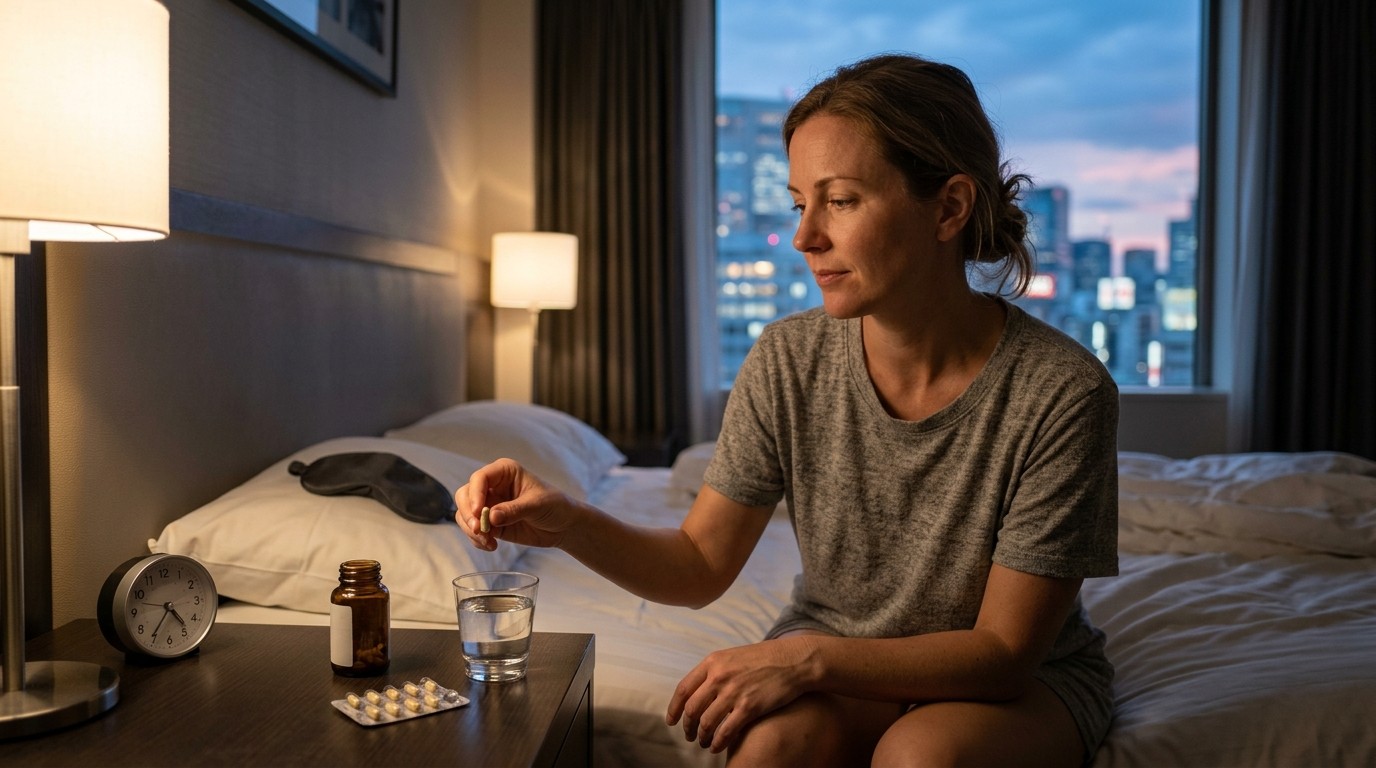
Some travelers use melatonin as part of a Jet Lag Cure, and it may help when used appropriately. It is not a sleeping pill in the usual sense; it is a signal that can support sleep timing. The timing and amount matter more than the brand name. Because individual needs vary, it is best to treat it as one tool among many, not as a standalone fix.
A responsible Jet Lag Cure also recognizes that supplements are not the same for everyone. What helps one person may not help another, and some people may feel groggy or uncomfortable if they use the wrong timing. That is why lifestyle cues, especially light and sleep timing, remain the foundation. If a supplement is used, it should fit the plan rather than replace the plan.
The safest mindset is simple: use the environment first, then consider additional aids if needed. A good Jet Lag Cure is built on sleep rhythm, daylight, meal timing, and hydration. Supplements may add support, but they should never be treated like a shortcut that overrides the body’s need for real adjustment.
Business Travel vs Leisure Travel
Jet Lag Cure becomes especially important for business travelers because the cost of poor recovery is not just discomfort; it can affect meetings, decisions, and performance. If your schedule is packed with obligations, the recovery window is smaller, so preparation matters even more. The best strategy is to protect sleep before departure and simplify the first day after landing whenever possible.
Leisure travelers also benefit from a smart Jet Lag Cure, though the reason is different. When you are on vacation, you want to enjoy the destination instead of spending half the trip exhausted. If you land and immediately overbook activities, you may lose the emotional reward of the journey. A slower opening day can help the entire trip feel better. Recovery is part of the experience, not just a technical detail.
In both cases, the core principle is the same: the body shifts better when the schedule is supported rather than forced. A practical Jet Lag Cure respects that reality and builds around it instead of pretending that willpower alone can reset a circadian clock overnight.
Travel Context and Planning Around Recovery
Travel style matters a lot, and Jet Lag Cure works best when it fits the kind of trip you are taking. A backpacking trip, a resort stay, and a work conference all create different recovery demands. If you are moving from airport to airport quickly, your plan should be more conservative. If you have a slow arrival day, you have more room to adapt gradually. The right recovery plan should match the structure of the trip, not ignore it.
This is one reason some people compare a long-haul recovery plan with experiences like Solo Travel Thailand or explore options inspired by Best Asia Solo Travel Destinations. Different routes create different fatigue patterns, and understanding those patterns helps you plan smarter. A flexible Jet Lag Cure works because it recognizes that a trip is more than a flight; it is a sequence of stressors, comforts, and transitions that all influence recovery.
It also helps to think about the destination as part of the medicine. A quiet first night, a gentle morning schedule, and a calm breakfast can be surprisingly effective. The more you let the trip support your adaptation, the easier it becomes to settle in.
Common Mistakes That Make Jet Lag Worse
One of the biggest mistakes is sleeping too long during the day. It feels harmless, but it can push recovery in the wrong direction. Another common mistake is using bright screens late at night while hoping to fall asleep easily. A good Jet Lag Cure avoids mixed signals. If the body is supposed to sleep, do not keep telling it that it is daytime.
Over-caffeinating is another problem. A lot of travelers try to power through the first day with caffeine, then wonder why they cannot sleep at night. A better Jet Lag Cure uses caffeine with precision, not desperation. Similarly, eating at chaotic times can make the body feel even more out of sync. Consistency is the real goal, even if the first day is imperfect.
Trying to force full productivity too soon is also a mistake. The body does not care that you have a packed schedule. A smart Jet Lag Cure accepts that adaptation takes time and builds in margin. That margin is often what separates a miserable arrival from a manageable one.
A Science-Backed Recovery Routine
A practical Jet Lag Cure can be summarized as a routine: prepare before travel, align sleep with destination time during the flight, use light and movement after landing, eat on local time, and avoid long naps that ruin the first night. Each part is small, but together they create a strong recovery pattern. The routine is what makes the science usable in real life.
The body responds to repeated cues more than dramatic gestures. That is why a simple Jet Lag Cure is often better than an extreme one. You are not trying to hack biology into submission. You are trying to guide it gently. If you make the signals clear enough, the clock usually follows.
The recovery routine should also be kind. Travel is already stressful, and adding guilt only makes it worse. A sustainable Jet Lag Cure is not about being perfect; it is about being consistent enough that the body can catch up. That mindset alone often reduces the emotional pain of the first two days.
Practical Table What Helps Most
| Recovery Habit | Why It Helps | Best Time to Use |
|---|---|---|
| Morning light | Shifts the body clock earlier | First 2 days after landing |
| Local meals | Anchors the new schedule | From the first meal onward |
| Short naps | Reduces fatigue without delaying sleep | Early in the day only |
| Hydration | Reduces headache and sluggishness | Before, during, and after flight |
| Light exercise | Supports alertness and mood | Morning or early afternoon |
| Dim evening light | Helps signal rest | 1 to 2 hours before bed |
Before You Fly
Before a long-haul trip, the smartest Jet Lag Cure begins with preparation. Try to sleep well for a few nights before departure so you are not starting the journey already drained. If you can shift your bedtime slightly to match the destination, even better. Small adjustments matter more than people think because the body adapts more smoothly when the gap is smaller.
A good Jet Lag Cure also means planning the first day after landing before you even take off. If you know you need to sleep early, do not schedule a packed evening. If you need to stay awake until local bedtime, avoid taking a long accidental nap. Travel is easier when your plan reflects your biology instead of fighting it.
How to Recover Faster on Day One

The first day after landing is where the Jet Lag Cure either works or fails. Get outside early if it is daytime at your destination. Use sunlight to tell your brain what time it is. Keep moving lightly, even if you feel sluggish. Try to eat at normal local times. These choices tell your circadian rhythm that the old schedule is over and the new one has started.
A strong Jet Lag Cure also protects your evening. Dim the lights, reduce screen brightness, and avoid caffeine too late. If you are exhausted, a short nap may help, but the goal is to preserve enough sleep pressure for the first full night. That single night can do a lot of the heavy lifting if you do not sabotage it with an overly long nap.
When Jet Lag Is Harder Than Usual
Sometimes Jet Lag Cure feels less effective because the trip itself has stacked extra stress on top of the time-zone shift. Poor sleep before departure, a noisy flight, dehydration, connection delays, or a late arrival can all make recovery slower. That does not mean the plan failed. It means the body has more to recover from than just the clock mismatch.
In those cases, Jet Lag Cure should be gentler rather than more aggressive. Do not punish yourself with extreme activity or harsh schedules. Focus on the basics: light, sleep timing, food timing, water, and simple movement. The more chaotic the trip, the more valuable consistency becomes.
Why This Matters for Real Travelers
Jet Lag Cure matters because travel is supposed to expand your life, not exhaust it. If your first two days are ruined by fatigue, you lose not only energy but also time, money, and emotional momentum. A better recovery strategy helps you use the trip more fully. You think more clearly, enjoy more of the destination, and adapt with less stress.
For many travelers, Jet Lag Cure is also about confidence. When you know how to recover, long-haul travel feels less intimidating. You stop treating jet lag like a mystery and start treating it like a manageable process. That shift alone can make travel feel more enjoyable and more repeatable over time.
Conclusion
Jet Lag Cure works best when it is treated as a system, not a single trick. The strongest results usually come from combining pre-flight sleep preparation, smart timing in the air, local-time habits after landing, and careful control of light, caffeine, naps, and meals. That approach works because it respects how the circadian system actually functions. The body does not reset on command, but it does respond to repeated cues. When those cues are aligned, recovery becomes smoother and faster. Travelers who plan ahead often find that the first day feels less heavy, the second day feels more normal, and the trip itself becomes more enjoyable because exhaustion is no longer dominating the experience. If you want better rest, better focus, and better use of your travel days, consistency is the real advantage. The most useful Jet Lag Cure is not flashy, and it does not promise overnight miracles. It simply gives your body enough information, enough stability, and enough time to catch up with the place you have arrived in. That is why this method remains the most reliable path to recovery, especially for long trips and busy schedules. Keep the signals clear, stay patient with your body, and let the new time zone win gradually instead of all at once.
Frequently Asked Questions (FAQ)
How long does jet lag usually last?
Jet lag can last a few days, but the exact recovery time depends on how far you traveled, which direction you flew, and how well you manage light, sleep, and routine.
Is sleeping on the plane a good idea?
Yes, if it matches the time you want to sleep at your destination. Aligning in-flight sleep with local time can make the first night much easier.
Does drinking more water cure jet lag?
Water helps with dehydration and comfort, but it does not reset your body clock. It is supportive, not a complete solution.
What is the fastest Jet Lag Cure?
The fastest Jet Lag Cure usually combines morning light, timed sleep, local meals, limited naps, and a calm first day rather than relying on one single trick.
Should I use melatonin?
Some travelers find it helpful, but timing and individual response matter. It works best as part of a broader recovery plan.
Is eastward travel harder than westward travel?
Often, yes. Eastward travel usually requires going to bed earlier than your body wants, which can be more difficult for many people.
Can exercise help me recover?
Yes. Light to moderate movement, especially after arrival, can support alertness and help your body adapt to the new schedule.
Should I avoid caffeine completely?
Not necessarily. Use it strategically and earlier in the day so it does not interfere with sleep later on.
How do I keep the first day from being ruined?
Stay on local time, get natural light, avoid long naps, eat reasonably, and lower your expectations for perfect energy.
Does Jet Lag Cure work the same for everyone?
No. Age, sleep habits, stress, travel direction, and schedule flexibility all affect how quickly you recover.