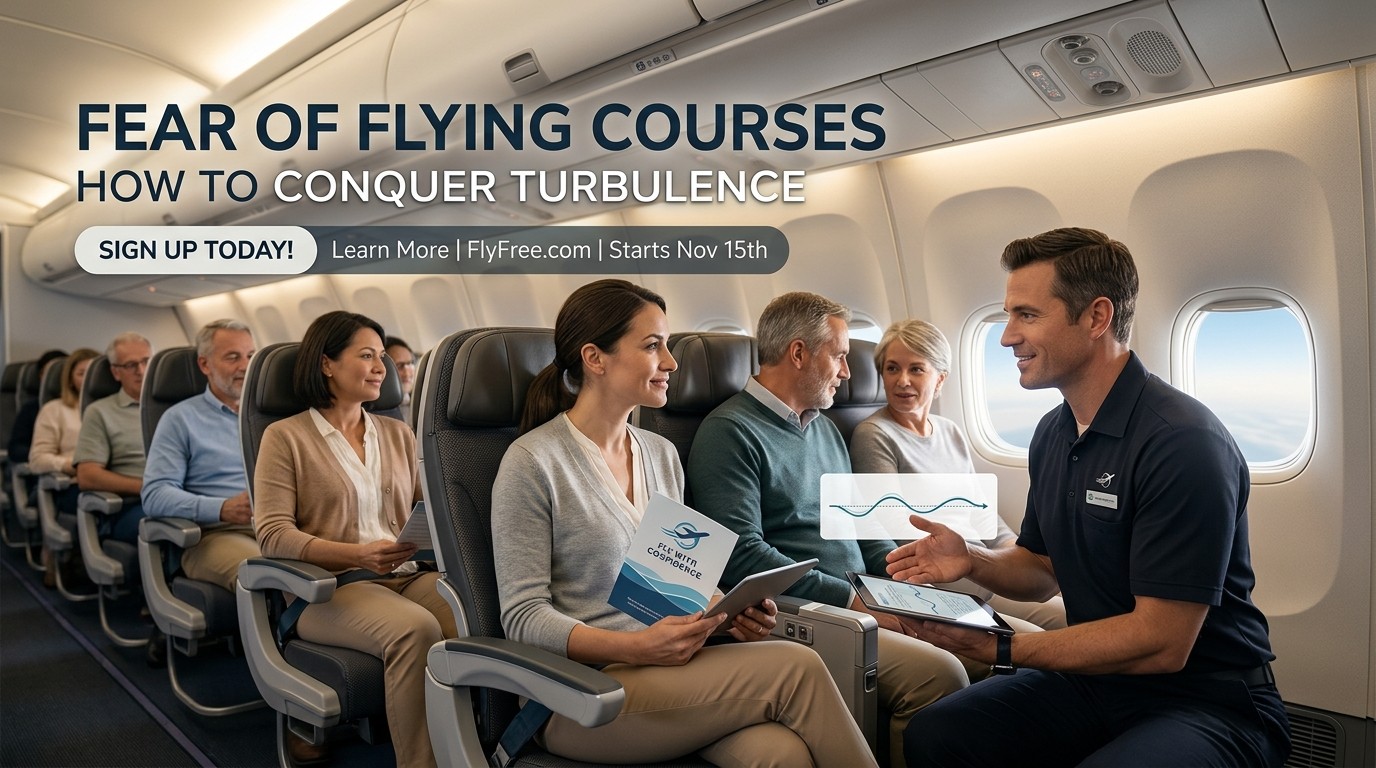
Fear of Flying Courses help anxious travelers understand turbulence, reduce panic, and build confidence through education, breathing control, and practical coping methods. They are especially useful for people whose fear comes from uncertainty, lack of control, and past stressful flight experiences.
Fear of flying is one of the most common travel anxieties in the world, and turbulence is often the moment when that fear becomes strongest. For many people, flying is not frightening because they believe planes are unsafe. It becomes frightening because the body reacts quickly to motion, sound, and uncertainty. When the aircraft shakes, the mind can jump to worst-case thinking even if the flight is completely normal. That is where Fear of Flying Courses become valuable, because they teach people how to understand flight instead of fearing it blindly.
These courses are not only about facts. They are also about emotional control, pattern recognition, and confidence building. A person who understands what turbulence is, why it happens, and how pilots handle it usually feels much more prepared. The course helps replace imagination with explanation. It gives anxious flyers a system instead of leaving them alone with their thoughts. That matters because fear becomes more powerful when it is vague, and it becomes weaker when it is understood.
A strong course also respects the psychology of anxiety. People who fear flying are not irrational or weak. They are often highly alert, highly imaginative, and highly sensitive to uncertainty. That means the right support can make a big difference. Fear of Flying Courses work because they do not try to shame the fear away. They teach people how to work through it with structure, patience, and realistic tools.
What These Courses Teach
Fear of Flying Courses usually combine education, coping techniques, and emotional reassurance. The educational part explains how airplanes fly, how turbulence develops, and why shaking does not automatically mean danger. The coping part teaches methods like breathing control, grounding, visualization, and positive self-talk. The reassurance part helps participants see that fear is manageable and that many other people experience the same thing.
The best courses are practical. They do not overload students with technical language or assume that everyone learns the same way. Instead, they break complex ideas into simple, understandable parts. A person who has never studied aviation should still leave the course feeling more informed and less overwhelmed. That is the main objective. Confidence does not come from pretending the fear is silly. It comes from understanding the situation well enough to feel less trapped by it.
Some courses are delivered online, while others are taught in person. Some are run by psychologists, and some are run with support from aviation professionals. The format matters less than the quality of the experience. What matters most is whether the course helps the participant move from panic to preparedness. A good program does that by meeting people where they are instead of pushing them too fast.
Why Turbulence Feels So Frightening
Turbulence is one of the biggest triggers for nervous flyers because it creates immediate physical sensations. The body feels movement before the mind has time to interpret it. A sudden bump, a strong shake, or a period of continuous rough air can activate the nervous system very quickly. Even when the person logically knows the aircraft is still safe, the body may react as if something is wrong.
This happens because human beings are wired to react to uncertainty. When you are in a plane, you cannot control the aircraft, cannot see all the weather around you, and usually cannot predict exactly how long the turbulence will last. That lack of control can make the experience feel threatening even when it is not. Fear of Flying Courses help people understand this reaction so they do not misread every movement as a sign of danger.
Turbulence is also frightening because of anticipation. If someone has had one bad flight before, they may start worrying before the plane even takes off. That early fear can build tension in the body, making the actual bumps feel worse than they are. Once anxiety has started, the mind tends to search for confirmation that something is wrong. A course helps interrupt that pattern by teaching the student to recognize the fear response itself.
How Fear Builds In The Mind
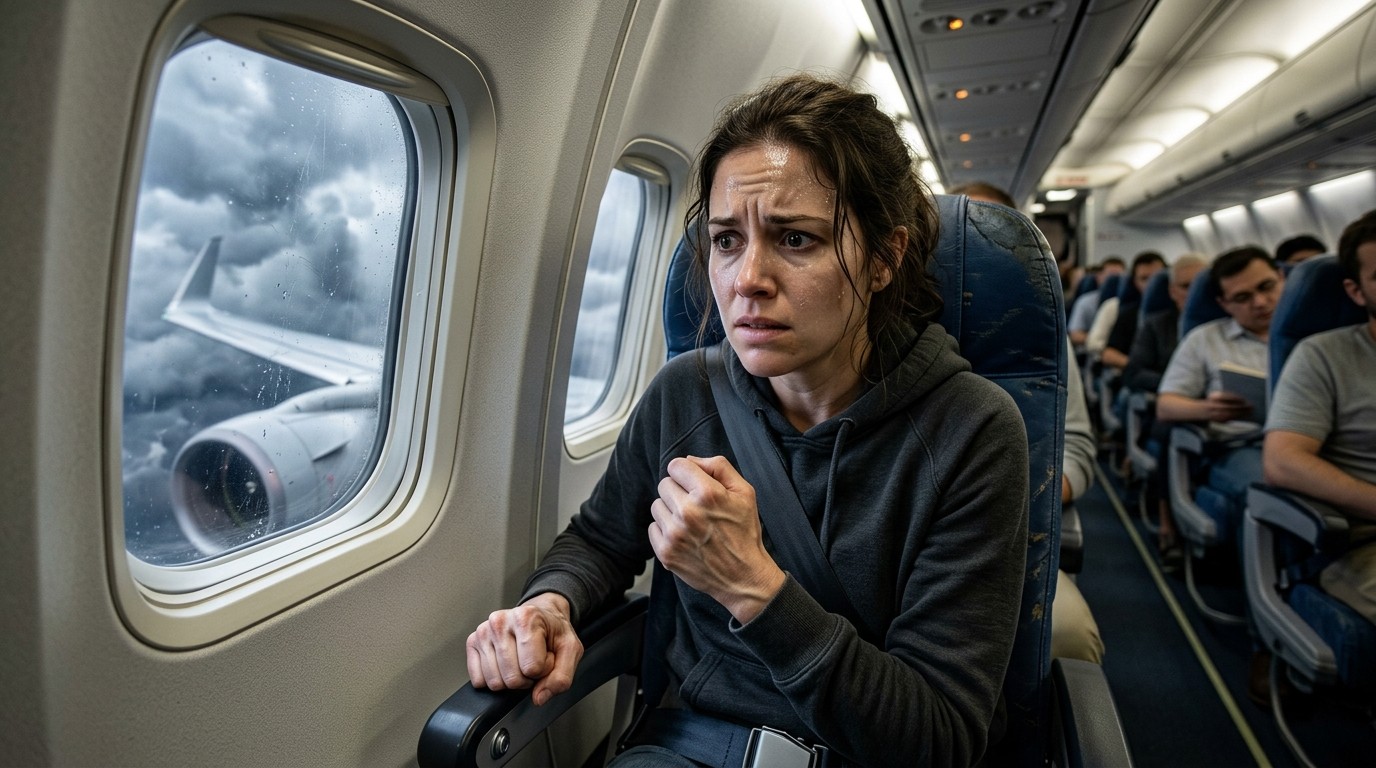
Fear of flying often grows through repetition and imagination. A person may watch news reports, remember a bad flight, or hear stories from other travelers. Over time, the brain starts connecting the idea of flying with danger even when actual experience does not support that belief. The mind then begins to expect disaster, and that expectation makes every normal flight sensation feel more threatening.
This is one reason Fear of Flying Courses can be so effective. They help people identify the thought patterns that keep anxiety alive. If a person thinks “this shake means the plane is in trouble,” the body will react with panic. If the person learns to think “this is turbulence, and it is uncomfortable but expected,” the body can stay calmer. The facts are important, but the interpretation of those facts is what changes the emotional response.
Another common pattern is avoidance. Some people stop flying after one bad experience, which gives short-term relief but often makes the fear stronger in the long term. Avoidance teaches the brain that the only way to stay safe is never to face the trigger again. A well-designed course helps break that cycle by making the learner gradually more comfortable with the idea of flying.
What Makes A Good Course
Not all Fear of Flying Courses are equal. A strong course should explain aviation in a way that is easy to understand without oversimplifying. It should also address emotion directly, because facts alone are not enough for someone in the middle of panic. The best programs teach both knowledge and coping skills, so the participant leaves with practical tools that can be used before and during the flight.
A good course should include:
- Clear explanations of turbulence and aircraft behavior.
- Breathing exercises for panic control.
- Cognitive tools to challenge catastrophic thinking.
- Guidance for pre-flight preparation.
- In-flight coping strategies.
- Optional exposure practice or simulation.
- A supportive tone that respects anxiety instead of minimizing it.
It is also helpful when the course is realistic. It should not promise that fear will disappear instantly. Real improvement often happens gradually, and that is perfectly normal. The goal is not to force bravery. The goal is to create enough confidence that flying becomes possible again.
Breathing And Body Control
One of the most important tools taught in Fear of Flying Courses is controlled breathing. Anxiety changes the body. The heart rate goes up, breathing becomes shallow, muscles tense, and the mind becomes more alert to threat. If the person can slow the breath, the body begins to calm down as well. This is not magic. It is a direct way of reducing the physical alarm response.
Simple breathing methods are often the most useful. A person might inhale slowly, hold briefly, then exhale longer than the inhale. The longer exhale helps tell the nervous system that it can stand down. Some courses also teach body awareness techniques, such as relaxing the shoulders, unclenching the jaw, or placing both feet firmly on the floor. These small actions help ground the person in the present moment.
Breathing techniques work best when practiced before the flight, not just during it. When someone has already used the method at home, it feels more natural in the cabin. That is why repetition matters. Fear of Flying Courses often succeed because they make coping strategies feel familiar instead of unfamiliar.
Changing Thought Patterns
A major part of anxiety reduction is learning how to challenge unhelpful thoughts. People who fear turbulence often imagine the worst instantly. They may think the wings are failing, the pilot is losing control, or the aircraft is in serious danger. These thoughts feel real, but they are not always accurate. Fear of Flying Courses help people catch those thoughts before they spiral.
One effective method is to replace catastrophic thinking with realistic thinking. Instead of saying, “This means something is wrong,” the flyer can say, “This is turbulence, and the aircraft is designed to handle it.” Instead of saying, “I can’t handle this,” the person can say, “I have handled this before, and I can use my tools again.” These statements do not deny discomfort. They simply keep the mind from making the fear worse.
This kind of mental training matters because the brain listens to repeated messages. If a person repeatedly tells themselves that flight is dangerous, the body will respond with more anxiety. If the person practices calm, truthful self-talk, the fear begins to weaken over time. That is why the psychological side of the course is just as important as the aviation side.
Exposure And Confidence Building
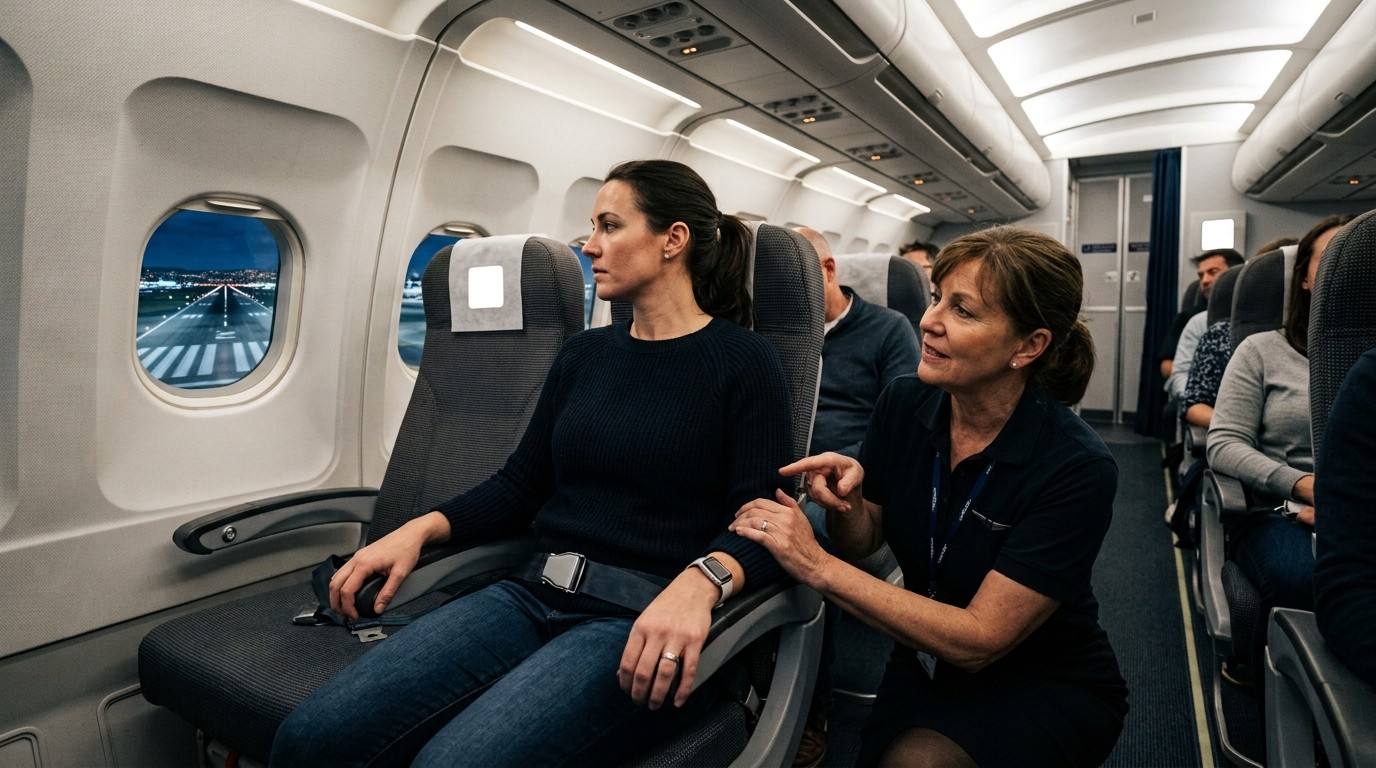
Many Fear of Flying Courses include some form of exposure practice. Exposure does not mean forcing a person into an overwhelming situation. It means helping them face the fear gradually and safely. The idea is simple: when the brain has a chance to experience the feared situation without catastrophe, it slowly learns that the situation is survivable.
This can happen through flight simulations, cabin familiarization, guided visits to an airport, or step-by-step relaxation exercises connected to flying imagery. Some courses also include conversations with pilots or cabin crew, which can make the process feel more real and less mysterious. Exposure works best when it is paced carefully. Too much too soon can backfire, but the right level of challenge can produce real progress.
Over time, confidence grows because the person begins to collect new evidence. Instead of remembering only fear, they begin to remember moments of control, moments of calm, and moments when the flight passed safely even with some turbulence. That evidence matters. It gradually reshapes the emotional memory of flying.
Why Turbulence Is Not The Enemy
A lot of fear exists because turbulence is misunderstood. To the passenger, shaking can feel like the plane is struggling. In reality, turbulence is usually just movement in the air. Air is not perfectly still, and aircraft are built to operate in a wide range of conditions. That does not make turbulence pleasant, but it does make it familiar to aviation professionals.
Fear of Flying Courses help make that difference clear. The goal is not to tell people turbulence is fun or harmless in every sense. It is to explain that discomfort is not the same as danger. This distinction is critical. Many anxious flyers need help separating how the flight feels from what the flight actually means. Once that separation becomes clear, the fear often loses some of its power.
This is also where the pilot’s role becomes reassuring. Passengers may not see the decisions being made in the cockpit, but pilots are actively managing the situation. They are adjusting altitude, monitoring conditions, and making choices based on safety. Understanding that there is a trained professional handling the flight can make the experience feel much less chaotic.
Connection To Broader Travel Confidence
Fear of Flying Courses can also support people whose anxiety affects the rest of their travel plans. A traveler planning Solo Travel Ireland may feel nervous about the first flight and then carry that tension into the trip itself. Another person considering Iceland Solo Travel might worry about rough weather, unfamiliar airports, or a difficult arrival. In both cases, the flight becomes the emotional gatekeeper for the entire journey.
That is why travel confidence is bigger than the plane itself. When someone learns to handle the flight, they often feel more capable across the entire trip. Tools like Adventure Travel Insurance can also help reduce background stress because they make the traveler feel more prepared for unexpected events. Likewise, Flight Safety and Travel Risk Management can give people a broader sense of control, especially if they are already anxious about logistics or changing conditions. In that way, the flight course becomes part of a larger confidence system.
Making The Most Of A Course
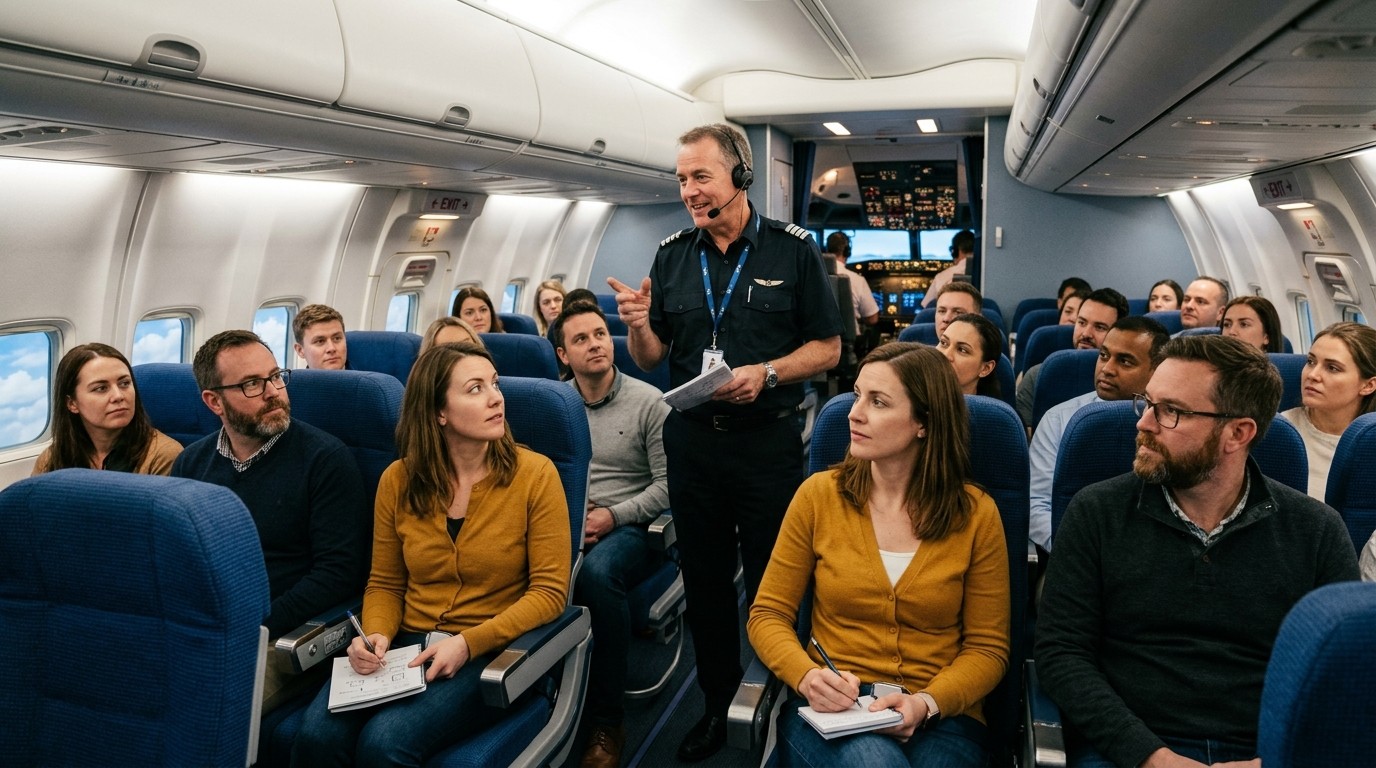
The best results usually come when the learner treats the course as part education and part practice. Reading about turbulence once is not enough. Practicing breathing, reviewing calm self-talk, and visualizing a normal flight all help the lessons stick. The more often the techniques are used, the easier they are to recall under stress.
It also helps to prepare before the flight day. Choosing a comfortable seat, packing light, arriving early, and avoiding unnecessary rushing can reduce anxiety before boarding even begins. If possible, the traveler should plan a routine that feels stable and predictable. Anxiety often increases when the mind feels rushed or uncertain. A good course encourages people to build a smoother travel environment around themselves.
Another useful habit is to expect some anxiety without treating it as failure. Fear rarely disappears on command. If a person feels nervous but still uses their tools, that is progress. The point is not to be fearless. The point is to stay in control enough to get through the flight safely and calmly.
Conclusion
Fear of Flying Courses are valuable because they help people understand turbulence instead of fearing it blindly. They combine education, emotional support, and practical coping methods so that anxiety becomes more manageable over time. The most important change is not becoming perfectly fearless. It is becoming capable. When a person understands what is happening in the air and knows how to respond, the entire travel experience feels less threatening. For many people, that one change is enough to reopen travel, reduce avoidance, and restore confidence in flying.
Frequently Asked Questions (FAQ)
1. What are Fear of Flying Courses?
They are programs designed to help anxious travelers understand flying, reduce panic, and feel more comfortable in the air.
2. Do these courses really help with turbulence?
Yes. They teach people what turbulence is, why it happens, and how to respond without panicking.
3. Are these courses only for severe fear?
No. They can help people with mild nervousness, moderate anxiety, or strong flight-related fear.
4. What do most courses teach?
They usually teach aviation basics, breathing skills, thought management, and practical coping methods.
5. Can fear of flying be completely cured?
Not always, but it can often be reduced enough that flying becomes manageable and less distressing.
6. Why is turbulence so scary?
Because it creates motion, uncertainty, and a strong body-based anxiety response.
7. Is turbulence dangerous?
It is usually more uncomfortable than dangerous, especially when passengers stay seated and follow instructions.
8. Do I need to be a “strong” person to benefit?
No. These courses are designed for ordinary people who feel anxious, not just for people who feel very brave.
9. Can frequent travelers benefit too?
Yes. Even experienced travelers can develop anxiety after a bad flight or a stressful travel period.
10. Are Fear of Flying Courses worth it?
For many people, yes, because they can reduce fear, improve confidence, and make air travel possible again.