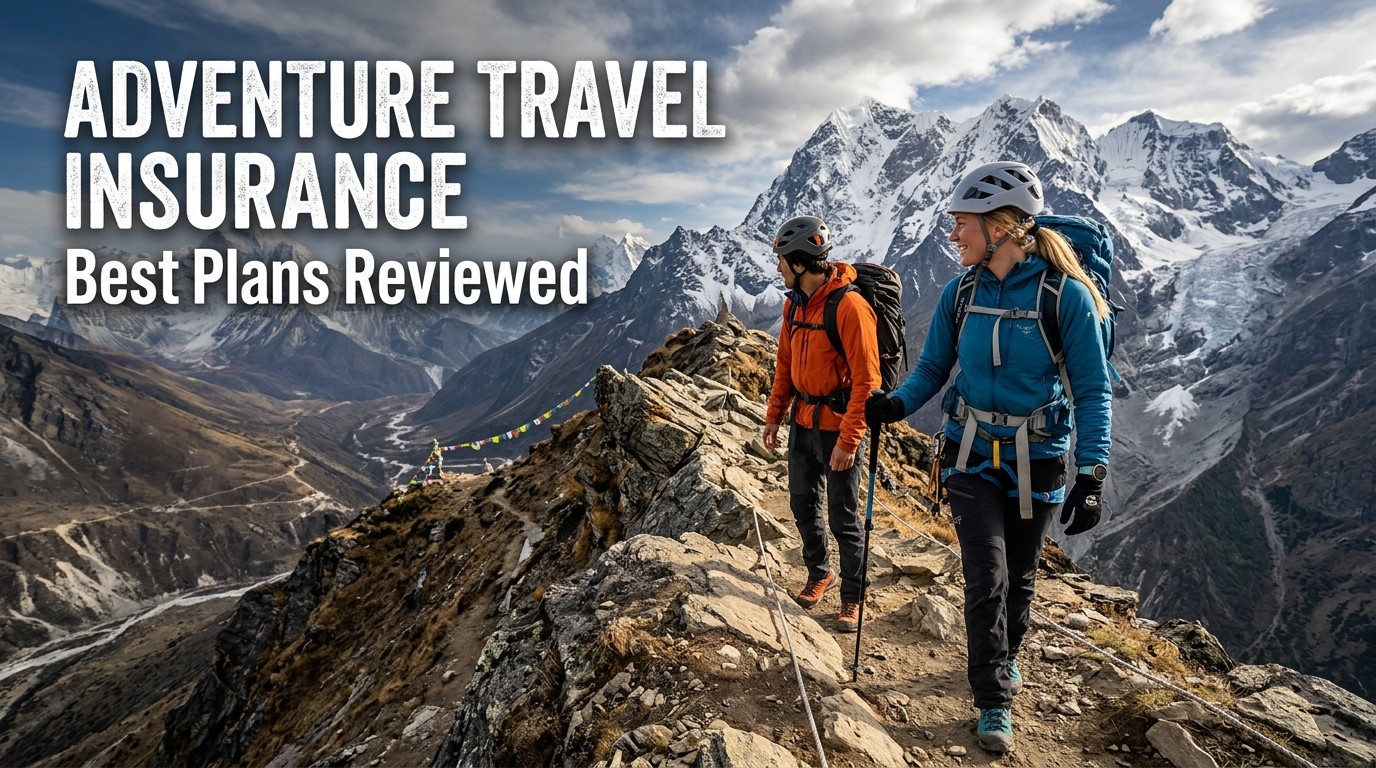
Adventure travel insurance is the single most important purchase any thrill-seeking traveler can make a financial safety net built specifically for the risks that standard policies refuse to cover.
There is a quiet moment that happens to almost every adventure traveler at some point usually standing at a trailhead, clipping into a harness, or watching a raft guide run through safety instructions when the thought surfaces: what happens if something goes wrong? Standard travel insurance was never built to answer that question honestly. Most general policies exclude the very activities that define active travel: skiing, scuba diving, mountain climbing, bungee jumping, whitewater rafting, and dozens more. For anyone planning a trip around physical challenge and outdoor experience, adventure travel insurance is not an upgrade it is the absolute baseline.
The numbers explain why. A helicopter rescue in a remote mountain area can cost between $10,000 and $50,000 before you reach a hospital. Emergency medical evacuation from Southeast Asia or South America routinely exceeds $100,000. A serious diving injury requiring hyperbaric treatment in a location without immediate access can generate bills that no travel budget absorbs without coverage. These are not worst-case hypotheticals they are documented outcomes that travelers without adequate adventure travel insurance face every year.
The adventure travel insurance market has responded to this reality with a genuinely strong set of options. Providers like World Nomads, Tin Leg, Battle face, Faye, and AXA Assistance USA have built plans specifically designed around the risk profile of active travelers. Understanding what separates these adventure travel insurance plans what they actually cover, what they exclude, and what the real-world implications of those differences are is what this guide is designed to deliver.
Adventure travel insurance is not a commodity purchase where price is the only variable. The right plan depends on the specific activities in your itinerary, your destination, your trip length, whether you need medical coverage as primary or secondary, and how much flexibility you need in terms of changing plans mid-trip. This adventure travel insurance guide walks through all of it.
What Adventure Travel Insurance Actually Covers
Before comparing specific plans, it is worth establishing what adventure travel insurance is designed to do, because there is more variation in the fine print than the marketing materials suggest.
Core Coverage Categories
Every serious adventure travel insurance plan provides coverage across several core categories, but the quality of that coverage is where plans truly diverge. The quality of that coverage specifically the limits and the exclusions is where plans diverge.
Emergency Medical Expenses cover the cost of treatment if you are injured or become ill during your trip. For adventure travelers, this is the most critical category. Medical limits range from $50,000 on basic plans to $500,000 or higher on premium tiers. Given that a single night in a US hospital costs an average of $15,000 and international emergency treatment in many destinations is comparable, the difference between a $50,000 and a $500,000 limit is the difference between adequate coverage and real financial protection.
Emergency Medical Evacuation covers the cost of transporting you to the nearest appropriate medical facility or, in serious cases, back to your home country. Evacuation limits matter enormously in adventure travel because many high-risk activities occur in remote locations far from adequate facilities. Tin Leg’s Adventure plan provides up to $1,000,000 in evacuation coverage the highest of any comprehensive plan on major comparison platforms. World Nomads’ Epic plan covers evacuation up to $700,000.
Activity-Specific Coverage is the defining feature of every adventure travel insurance plan worth buying and the area where most standard policies fail. A plan that covers “hiking” but excludes hiking above 4,000 meters, or covers “skiing” but excludes off-piste or backcountry, is not genuinely useful for serious adventure travelers. Reading the activity exclusion list not the marketing copy is the only reliable way to know what you are actually buying.
Trip Cancellation and Interruption coverage reimburses non-refundable trip costs if you need to cancel or cut your trip short for a covered reason. This becomes particularly relevant for adventure travelers who book expensive guided expeditions, multi-day glacier treks, or high-altitude climbs months in advance.
Sports Equipment Coverage is a category that many adventure travelers overlook until they need it. Skis, diving gear, climbing equipment, and surfboards represent significant investments. Some adventure travel insurance plans include sports equipment loss, damage, and delay coverage as standard features.
Search and Rescue is a benefit unique to adventure travel insurance that covers the cost of search and rescue operations if you become lost or incapacitated in a remote area. This is separate from emergency evacuation and matters specifically for backcountry hikers, mountaineers, and off-trail explorers.
What Standard Policies Won’t Cover
The exclusion list on a standard travel insurance policy is where adventure travelers discover their coverage gaps usually after purchasing. Common exclusions in non-adventure policies include:
- Skiing and snowboarding, particularly off-piste
- Scuba diving below 30 meters (and sometimes any scuba at all)
- Rock climbing and mountaineering
- Bungee jumping, skydiving, and paragliding
- Whitewater rafting and kayaking above certain class ratings
- Mountain biking on technical terrain
- Any activity at altitude above a specified threshold
The critical point is that you are not covered for injuries sustained during these activities even if everything else about the claim is legitimate. An emergency evacuation after a skiing accident on a policy that excludes skiing will be denied, regardless of how serious the injury is or how well-documented the claim.
The Best Adventure Travel Insurance Plans Reviewed
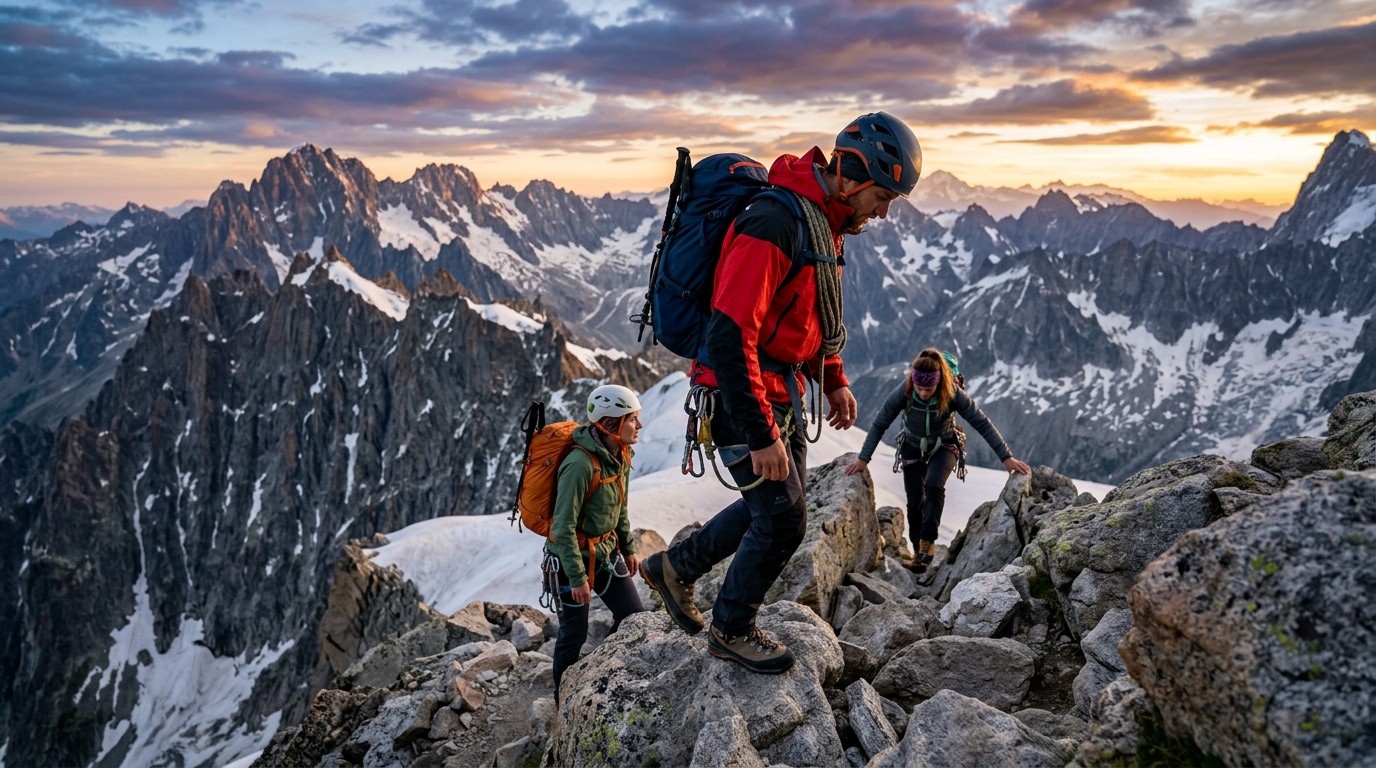
Tin Leg Adventure Best Overall
The Tin Leg Adventure plan consistently ranks as the top-selling adventure travel insurance product on major comparison platforms, and the data that drives that ranking is straightforward: it covers more activities than almost any other comprehensive plan available, with coverage limits that match real-world risk scenarios.
The plan covers over 400 adventure sports and activities — more than any other comprehensive policy on the Squaremouth marketplace. Emergency medical coverage reaches $100,000 with primary coverage (meaning it pays before your regular health insurance, which reduces claim complexity significantly). Medical evacuation coverage goes up to $1,000,000, the highest evacuation limit of any comprehensive plan available.
For sports-specific needs within adventure travel insurance, Tin Leg Adventure includes a suite of benefits that standard adventure travel insurance plans rarely offer as standard: Sports Equipment Loss, Sports Equipment Delay, Sports Weather Loss, and dedicated Search and Rescue coverage. Trip cancellation coverage applies to trip costs up to $50,000, making it appropriate for high-end expedition bookings.
The trade-off is cost. Tin Leg Adventure is not the cheapest option in the category. But for travelers whose itinerary genuinely involves high-risk activities in remote locations, the coverage architecture justifies the premium.
Best for: Mountaineers, backcountry skiers, expedition trekkers, divers in remote locations, and anyone whose trip involves multiple high-risk activities.
World Nomads Best for Flexibility
World Nomads has operated since 2002 and built its entire reputation around the adventure travel insurance market. Its core adventure travel insurance differentiator is not just activity coverage breadth it is the operational flexibility that standard adventure travel insurance providers do not offer.
Every World Nomads plan including the entry-level Standard tier covers 250-plus activities as a built-in feature, not an optional add-on. This means skiers, divers, rafters, and climbers are covered by their adventure travel insurance by default on the most basic plan, which starts at approximately $84 for a 7-day trip. The Explorer plan expands coverage to more than 300 activities, including skydiving, shark cage diving, cliff jumping, hot air ballooning, and cave diving. The Epic plan the most comprehensive tier covers over 340 activities with emergency medical limits of $250,000 and evacuation up to $700,000.
The feature that genuinely sets World Nomads apart from every other adventure travel insurance provider is the ability to purchase or extend a policy after you have already departed. If you decide mid-trip to add a last-minute skydiving session or extend your trekking itinerary into higher-altitude terrain, you can buy coverage from anywhere in the world. No other major provider offers this with the same flexibility.
Coverage starts 12:01 AM local time the day after purchase, which means there is a one-day gap to plan around, but the ability to buy mid-trip remains a genuine operational advantage for travelers whose plans evolve spontaneously.
The limitation worth noting is the $250,000 medical cap on the Epic plan. For US-based travelers concerned about being transported back for treatment in the American healthcare system, this ceiling is lower than what some providers offer. Competitors with $500,000 or higher medical limits may be worth considering for long expeditions in remote locations.
Best for: Backpackers, budget adventure travelers, anyone who plans spontaneously or extends trips mid-journey, and first-time adventure travel insurance buyers.
| Plan Tier | Activities Covered | Medical Coverage | Evacuation | CFAR Option |
|---|---|---|---|---|
| Standard | 250+ | $100,000 | $300,000 | No |
| Explorer | 300+ | $100,000 | $500,000 | Yes (50%) |
| Epic | 340+ | $250,000 | $700,000 | Yes (75%) |
Battle face Discovery Plan Best Budget Option
For adventure travelers who need solid foundational coverage at the lowest possible price point, Battleface’s Discovery Plan is consistently the top-ranked budget option among adventure travel insurance plans with meaningful coverage limits.
The plan maintains the minimum standards that matter for adventure coverage: emergency medical coverage of at least $100,000 and medical evacuation of at least $250,000. It qualifies as the most affordable plan meeting these benchmarks among the plans sold through major comparison platforms with an adventure sports filter applied.
Battle face is particularly strong for travelers going to higher-risk destinations or regions with political instability coverage areas that many mainstream providers restrict. The platform also allows travelers to customize coverage more granularly than most providers, selecting specific activity categories rather than paying for a comprehensive adventure package when only one or two activity types apply.
The trade-off is the narrower breadth of built-in adventure activity coverage compared to Tin Leg or World Nomads. The Discovery Plan works well for travelers whose “adventure” element is focused on one or two specific activities rather than a mixed itinerary of multiple high-risk pursuits.
Best for: Budget-conscious adventure travelers, solo backpackers, travelers to high-risk destinations, and anyone doing one primary adventure activity rather than a mixed itinerary.
Faye Travel Insurance Best for Everyday Adventure Travelers
Faye occupies an interesting position in the adventure travel insurance market. Its base plan automatically covers dozens of activities white water rafting, skiing, horseback riding, kayaking, and mountain climbing without any add-on required. The Adventure and Extreme Sports endorsement layer adds coverage for more extreme activities including parachuting.
The medical coverage limits are strong: $250,000 in emergency medical and $500,000 in evacuation. Trip delay coverage reaches $2,100 per person after a six-hour delay among the highest reimbursement rates available. The plan also includes coverage for rental property damage and pet care, which matters for longer adventure trips.
What makes Faye particularly appealing is the claims experience. The company operates a fully digital claims process through a mobile app, and the resolution speed is notably faster than the industry average. For travelers in remote locations dealing with an emergency, the ability to initiate a claim via phone and receive confirmation quickly is a practical operational advantage.
Best for: Travelers whose trips include a mix of moderate adventure activities, digital-first users who value a strong claims app experience, and anyone who wants solid core adventure coverage without the complexity of a specialized expedition policy.
AXA Assistance USA Platinum Best for Ski Trips
For winter adventure travel specifically, AXA Assistance USA’s Platinum Plan is purpose-built around the ski and snowboard market in a way that general adventure travel insurance plans are not. The plan reimburses prepaid costs for ski days lost due to closed trails, insufficient snow, or inclement weather a benefit category that most adventure travel insurance providers do not include at all.
Emergency medical coverage on the Platinum Plan reaches $250,000. Medical evacuation covers up to $1,000,000. The plan also includes a collision damage waiver for rental cars, which is useful for ski destination trips where renting a vehicle is standard. Cancel For Any Reason coverage is available on the Platinum tier.
For travelers whose adventure is specifically winter-based ski touring, backcountry skiing, snowboarding at altitude, or cross-country expeditions AXA’s ski-specific benefit structure offers more targeted value than a general adventure travel insurance plan.
Best for: Ski and snowboard travelers, winter expedition participants, and anyone booking high-value prepaid ski packages.
How to Choose the Right Adventure Travel Insurance Plan
Choosing the right adventure travel insurance is not about finding the biggest numbers. It is a matter of matching coverage architecture to your specific itinerary risk profile. The following framework guides that decision.
Step 1: List Every Activity in Your Itinerary
This sounds obvious, but most travelers buying adventure travel insurance underestimate the specificity required. “Hiking” and “high-altitude trekking above 5,000 meters” are categorically different for adventure travel insurance purposes. “Scuba diving” and “scuba diving below 40 meters” trigger different exclusions on the same policy. List every activity by its specific technical description and verify it against the policy’s activity coverage list not the marketing summary.
Step 2: Identify Your Highest-Risk Activity
Your highest-risk activity defines the minimum adventure travel insurance tier you need. If your itinerary includes skydiving, cliff diving, or free soloing, a Standard-tier World Nomads plan may not cover those specific activities even though it broadly covers “adventure sports.” Moving to the Explorer or Epic tier specifically for the activity coverage it unlocks is the right decision regardless of whether every other feature of that tier applies to your trip.
Step 3: Evaluate Medical Limits Against Your Destination
When buying adventure travel insurance, the appropriate medical coverage limit is not absolute it is relative to where you are going and how you would be treated. For trips through Western Europe with access to quality healthcare and strong air ambulance networks, a $100,000 medical limit may be adequate. For remote trekking in Nepal, mountaineering in Patagonia, or diving in Indonesian islands far from major medical facilities, the real risk is not just treatment cost but evacuation cost. A $100,000 medical limit combined with a $1,000,000 evacuation limit is a stronger coverage architecture than the reverse.
Step 4: Consider Primary Versus Secondary Medical Coverage
Primary coverage pays your medical bills directly, before any other insurance you may have. Secondary coverage pays only what remains after your regular health insurance, airline, or other provider has paid. For US travelers, whose domestic health insurance typically does not cover international incidents, this distinction matters less. But for travelers from countries with strong national health coverage who are traveling internationally, secondary coverage may create gaps in specific scenarios. Tin Leg Adventure offers primary coverage. World Nomads operates as secondary coverage.
Step 5: Decide Whether Cancel for Any Reason Is Worth It
Cancel for Any Reason (CFAR) coverage allows you to cancel your trip for literally any reason and receive a partial refund typically 50% to 75% of non-refundable costs. The World Nomads Explorer plan offers 50% CFAR; the Epic plan offers 75%. CFAR must be purchased within a specific window after your initial trip deposit usually 7 to 21 days depending on the provider. For adventure travelers booking expensive guided expeditions months in advance, CFAR represents meaningful financial protection against the unpredictable nature of life changes.
Adventure Travel Insurance and the Psychology of Risk
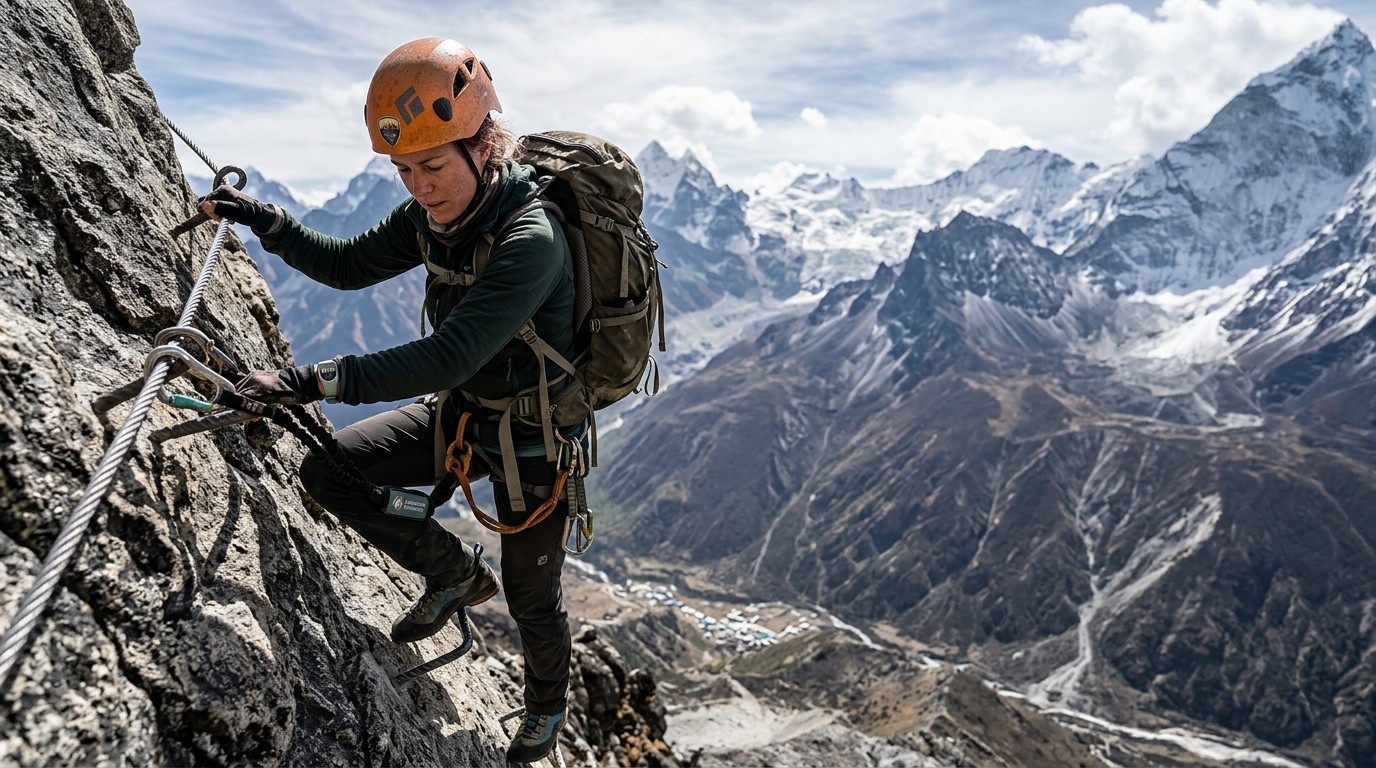
There is a predictable cognitive pattern that affects many adventure travelers when they consider purchasing adventure travel insurance when they think about insurance: the optimism bias. Research consistently shows that people systematically underestimate the likelihood of negative events happening to them personally while accurately estimating the risk for others. You know helicopter rescues happen you have heard about them but a part of your mind processes your own trip as fundamentally different. You are fitter, more experienced, more careful.
This is not a character flaw. It is how human cognition processes uncertainty. But it is also why the moment to make the decision about adventure travel insurance is before the trip, when you are in a planning mindset, not at the trailhead when the optimism bias is at its peak.
The financial mathematics are clarifying. The cost of adventure travel insurance typically represents between 4% and 10% of your total trip cost. A $5,000 adventure trip means a policy premium of $200 to $500. A helicopter rescue from a mountain in New Zealand costs approximately $10,000 to $30,000 before the ambulance bill. The expected value calculation is not close.
Adventure Travel Insurance for Solo Travelers
Solo adventure travelers face a specific adventure travel insurance coverage question that group travelers do not. When something goes wrong on a solo trip, there is no travel companion to initiate emergency contact, coordinate with local authorities, or stay with you until help arrives. The emergency assistance infrastructure of a good adventure travel insurance plan is not just a financial safety net it is a practical operational one.
Travelers who need adventure travel insurance for solo travel Spain routes particularly those combining hiking in the Pyrenees or coastal trekking on the Camino de Santiago with urban exploration encounter a specific risk mix: relatively well-served by emergency services in populated areas but potentially very remote in highland sections. Standard adventure travel insurance plans cover the Camino, but verifying activity-specific coverage for sections above specific altitudes or involving technical terrain is worth doing before departure.
The emergency assistance phone line included in most adventure travel insurance plans functions as a remote travel companion in emergencies. The ability to call a number, describe your situation in English, and have a team begin coordinating your evacuation, translation, and medical contact from wherever you are in the world is the non-financial value of adventure travel insurance that travelers underestimate until they need it.
Coverage for Multi-Destination Adventure Trips
Adventure travelers rarely restrict themselves to a single country. A common itinerary pattern involves stacking multiple environments mountains, coast, jungle, urban across multiple countries on a single trip. Backpackers doing solo travel Portugal, for example, frequently extend their itinerary to include Morocco, the Azores, or the Canary Islands, each of which presents different activity risk profiles and healthcare infrastructure realities.
Comprehensive adventure travel insurance for multi-destination trips handles this by covering you for the full trip duration across all specified countries, with the activity coverage remaining consistent throughout. The key variable is destination-specific medical infrastructure. World Nomads and Tin Leg both provide coverage across most global destinations under a single policy. Battleface explicitly specializes in higher-risk destinations that some mainstream providers restrict.
When purchasing adventure travel insurance for a multi-destination itinerary, specify every country at the time of purchase. Adding a destination mid-trip is not always possible, and discovering that your current country of travel is excluded from your policy during an emergency is a problem with no good solution.
Understanding Flight Risk in the Context of Adventure Travel
Adventure travel insurance typically includes trip delay and interruption coverage, but travelers planning high-adventure itineraries benefit from understanding the broader framework of flight risk management guide principles as part of their pre-trip preparation. Canceled flights, weather diversions, and missed connections are disproportionately likely to affect adventure travelers because their activities are often weather-dependent, their departure points are often in remote or secondary airports, and their connecting itinerary windows are often tighter than standard vacation schedules.
Adventure travel insurance trip delay coverage typically activates after a 6-hour delay and reimburses meals, accommodation, and ground transportation up to specified limits. Faye’s plan provides $2,100 per person in trip delay coverage among the highest in the category. Tin Leg Adventure provides up to $2,000 for trip delays of six hours or more.
The interaction between flight safety and travel risk management and adventure activities is a two-way relationship. A delayed flight that causes you to miss a guided glacier trek window does not just waste the day it can mean missing the specific weather window that makes the activity safe, forcing a rescheduled attempt at a less ideal time. The financial compensation from adventure travel insurance does not recover lost time or experience, but it does eliminate the additional financial burden of rebooking or extending accommodation.
For this reason, building buffer time around high-stakes adventure activities particularly those with narrow weather windows, guide schedules, or permit requirements is an important structural element of itinerary design that adventure travel insurance alone cannot compensate for.
Common Mistakes That Invalidate Adventure Travel Insurance Claims
Understanding what voids coverage is as important as understanding what is included. Claims are denied not only because activities are explicitly excluded but because of behavioral and procedural factors that travelers overlook.
Alcohol-Related Incidents: Most adventure travel insurance policies exclude incidents where alcohol was a contributing factor. This applies even for activities that feel low-risk. A fall while hiking after drinks at lunch is categorically excluded under standard policy language.
Acting Against Local Regulations: Any incident occurring while violating local laws — including traffic violations while driving — gives insurers grounds to deny claims. This includes venturing into areas designated as closed or restricted by local authorities.
Undeclared Pre-Existing Conditions: Adventure travel insurance policies require accurate health disclosure at the time of purchase. Conditions that were known but not declared can become grounds for claim denial if they are relevant to the claimed injury or illness, even tangentially.
Off-Road Driving Without Specific Coverage: Adventure travelers in destinations like Iceland, New Zealand, or Namibia often rent 4WD vehicles for off-road access. Standard adventure travel insurance plans do not automatically cover off-road driving. A separate rental car endorsement or dedicated vehicle coverage is typically required.
Unguided Activities That Require Guides: Some adventure travel insurance plans specifically require that high-risk activities glacier hiking, technical mountaineering, certain dive operations be conducted with a certified guide or operator. Attempting these activities independently when the policy requires guided participation voids the coverage for that activity.
How Much Does Adventure Travel Insurance Cost?
Adventure travel insurance costs between 4% and 10% of total trip cost for a comprehensive plan with activity coverage. The variables that affect premium most significantly are traveler age, trip duration, destination, total trip cost insured, and the specific activities included.
| Traveler Profile | Trip Cost | Estimated Premium Range |
|---|---|---|
| 28-year-old, 10-day trek | $3,000 | $120 – $300 |
| 40-year-old, 14-day ski trip | $6,000 | $300 – $600 |
| 55-year-old, 21-day expedition | $12,000 | $720 – $1,200 |
Entry-level adventure travel insurance starts as low as $7 per day. Plans with basic activity coverage starts as low as $7 per day on platforms like Square mouth. World Nomads Standard plan for a 7-day trip runs approximately $84 one of the more affordable comprehensive options. Tin Leg Adventure costs more but delivers materially higher evacuation limits and activity breadth.
The price comparison that matters for adventure travel insurance is not premium versus premium it is premium versus out-of-pocket exposure. A $400 premium on a $5,000 adventure trip that includes a $30,000 helicopter rescue scenario is not a financial cost. It is an actuarially priced hedge against a real and documented risk.
Annual Multi-Trip Adventure Travel Insurance
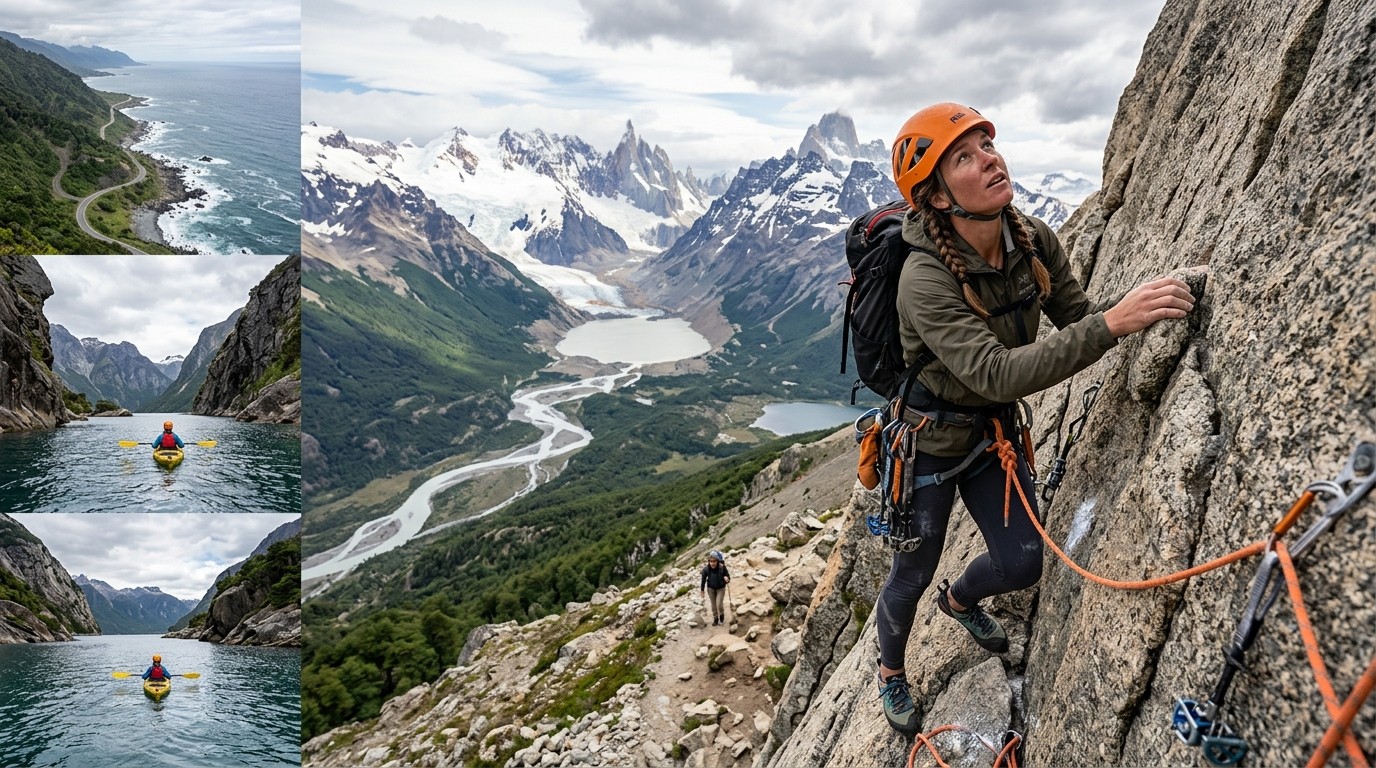
Travelers who take multiple trips per year should evaluate annual adventure travel insurance multi-trip adventure travel insurance plans against the per-trip alternative. World Nomads offers an Annual Plan covering multiple trips within a 12-month period, with individual trip legs up to 45 days each. Allianz and IMG also offer annual plans with adventure activity coverage options.
The adventure travel insurance break-even analysis is straightforward: if you take three or more trips per year, an annual plan is almost always more cost-effective than purchasing individual policies. The operational advantage is also significant — you do not need to remember to purchase coverage before each trip, and your activity coverage remains consistent across all destinations.
The limitation of annual plans is that per-trip coverage limits are sometimes lower than what a dedicated single-trip adventure travel insurance policy would provide. For routine adventure travel hiking, skiing, diving this is usually not a concern. For high-exposure expedition-scale trips, a dedicated single-trip policy with maximum limits may be more appropriate.
Conclusion
Adventure travel insurance is the most consequential purchase decision on any high-risk trip, and it deserves the same attention as destination research, gear selection, and physical preparation. The gap between standard travel coverage and genuine adventure protection is not a technicality it is a gap that produces real financial disasters for real travelers every year. The plans reviewed here Tin Leg Adventure for maximum coverage breadth, World Nomads for flexibility, Battleface for budget-conscious travelers, Faye for the claims experience, and AXA for ski-specific protection represent the market’s best answers to that gap in 2026. Read the activity exclusions carefully. Match your plan tier to your actual itinerary risk. Buy before you depart, or in World Nomads’ unique case buy the moment you decide to take the risk. The premium is a small fraction of your exposure. The coverage is everything.
Frequently Asked Questions (FAQ)
1. Does adventure travel insurance cover all extreme sports?
No plan covers every extreme sport under a single tier. Coverage depends on both the provider and the specific plan tier. World Nomads Standard covers 250-plus activities; the Epic tier reaches 340-plus. Tin Leg Adventure covers 400-plus activities. Always verify your specific activity against the policy’s coverage list before purchasing.
2. Can I buy adventure travel insurance after I’ve already left home?
World Nomads is one of the very few providers that allows mid-trip policy purchase. Coverage begins 12:01 AM local time the day after purchase. All other major providers require purchase before departure, and some require purchase within a specific window after the initial trip deposit.
3. What’s the difference between primary and secondary medical coverage?
Primary coverage pays your medical bills directly, before any other insurance. Secondary coverage pays only what remains after your primary health insurance has contributed. For most US-based travelers, secondary coverage is adequate since domestic health insurance typically does not cover international incidents — but primary coverage simplifies the claims process significantly.
4. How much emergency medical coverage do I actually need?
Most adventure travel specialists recommend a minimum of $100,000 in emergency medical coverage for any trip involving high-risk activities. For remote destinations, high-altitude trekking, or diving in locations far from hyperbaric facilities, $250,000 or higher is more appropriate. Evacuation coverage of at least $500,000 is strongly recommended for any backcountry or remote adventure.
5. Does my credit card travel insurance cover adventure sports?
In most cases, no. Premium travel credit cards like the Chase Sapphire Reserve include basic trip protection, but medical coverage limits are typically $0 to $10,000 — far too low for adventure scenarios — and activity exclusions routinely cover skiing, scuba, climbing, and other high-risk activities. Credit card coverage should be verified but not relied upon as primary adventure protection.
6. What is Cancel for Any Reason (CFAR) coverage and is it worth it for adventure travelers?
CFAR allows you to cancel your trip for any reason and receive 50% to 75% of non-refundable costs back. It must be purchased within 7 to 21 days of the initial trip deposit depending on provider. For expensive guided expeditions booked months in advance, CFAR is meaningful financial protection. For trips with fully refundable bookings or lower non-refundable exposure, it adds less value.
7. Is adventure travel insurance worth it for domestic trips?
Yes, particularly for the evacuation coverage. A helicopter rescue from a backcountry hiking or skiing incident in the US is not covered by standard health insurance and can cost $20,000 to $50,000 or more. Medical coverage matters less domestically if you have US health insurance, but evacuation and rescue coverage remains highly relevant for any remote activity.
8. What activities does adventure travel insurance typically NOT cover?
Common exclusions even in adventure-specific plans include: professional sports participation, motorized racing, BASE jumping (often excluded even on high-tier plans), some forms of free soloing, activities conducted under the influence of alcohol, and activities in destinations under government travel advisories. Always read the exclusion list of your specific policy before purchasing.
9. Can one adventure travel insurance policy cover my whole family?
Yes, most providers offer family plans. World Nomads allows up to seven dependents under age 25 to be added to a single-trip plan for free. Family plans typically use the oldest adult’s age to calculate the premium baseline. Confirm that all family members’ activities are covered under the same policy tier.
10. How do I file a claim with adventure travel insurance?
Claims processes vary by provider, but generally involve: notifying the provider or their 24/7 assistance line as soon as possible after the incident; documenting the incident with medical reports, receipts, and written accounts; and submitting a formal claim through the provider’s online portal. Faye’s app-based claims process is consistently rated fastest in the category. World Nomads claims are managed through Trip Mate. Retain all documentation photos, bills, medical reports, and police reports where applicable from the moment an incident occurs.