Airline Loyalty Programs help beginners turn everyday trips into better value, calmer decisions, and more comfort by aligning travel habits with rewards that actually fit real life.
For many first-time travelers, Airline Loyalty Programs feel like a mix of miles, tiers, partner offers, and small print. The language can seem technical, but the idea is simple: airlines reward repeat behavior so you keep coming back. When you learn the rules, the system stops feeling mysterious and starts acting like a travel tool. The goal is not to collect shiny numbers. The goal is to trade ordinary flying for cheaper tickets, useful perks, and less stress.
Beginners often assume the biggest program is always the best one, yet that is rarely true. One traveler may care about baggage savings, another about better seat selection, and another about a smoother route network. Airline Loyalty Programs work best when they match your actual trips, your home airport, and your patience for planning. Once you understand that, you can evaluate programs with a calmer mind and avoid the common mistake of chasing rewards that look impressive but return little real value.
This guide explains how Airline Loyalty Programs function, what benefits matter most, how to earn and redeem wisely, and how human psychology influences loyalty choices. It is written for people who want practical guidance, not hype. By the end, you will know how to judge a program with confidence, how to avoid wasting money, and how to use rewards in a way that supports your travel life instead of complicating it.
What They Are and Why They Exist
At the simplest level, Airline Loyalty Programs are reward systems that give you points, miles, or status credits for flying with a carrier or using its partners. Those rewards can later be exchanged for flights, seat upgrades, baggage benefits, lounge visits, or other travel-related value. The structure varies from airline to airline, but the purpose is always the same: encourage repeat bookings by offering enough value that travelers feel recognized and rewarded.
From the airline’s point of view, these programs reduce switching. If a traveler has built a balance or is close to a status level, they may be more likely to choose that airline again even when another option looks slightly cheaper. That is why Airline Loyalty Programs are so powerful. They are not only financial incentives; they are behavior-shaping tools. They create a sense of progress, commitment, and familiarity that makes people less likely to start from zero with a competitor.
For the traveler, the value comes from using the system intentionally. A program is only useful if it helps your real journey. If it saves money, reduces stress, or gives you meaningful comfort, then it has done its job. If it pushes you toward unnecessary spending, then the program is using your psychology more than serving your needs. That is the main mindset shift beginners need to make.
The basic reward layers
Most Airline Loyalty Programs have three layers. The first is earning, which is how you accumulate rewards. The second is redemption, which is how you spend them. The third is status, which unlocks travel advantages once you cross certain thresholds. These layers are related, but they are not identical. A traveler can be excellent at earning yet poor at redeeming. Another may never chase elite status but still get solid value through flexible redemptions.
Some programs reward the amount you spend. Others reward distance or fare class. Some also allow partner earning through hotels, car rentals, shopping portals, dining networks, and credit cards. That web of options can be useful, but only when it fits your existing behavior. The best strategy is to understand which earning paths are naturally available to you and avoid forcing travel patterns that do not match your life.
Why beginners should care
A beginner does not need to master every rule on day one. What matters most is learning how to spot value. Airline Loyalty Programs can save money, improve comfort, and reduce uncertainty if you approach them with patience. The system is designed to reward consistency, not confusion. Once you know what to look for, you will see that the real advantage is not simply free flights. It is the ability to make travel feel more predictable and more controlled.
How the system works in practice
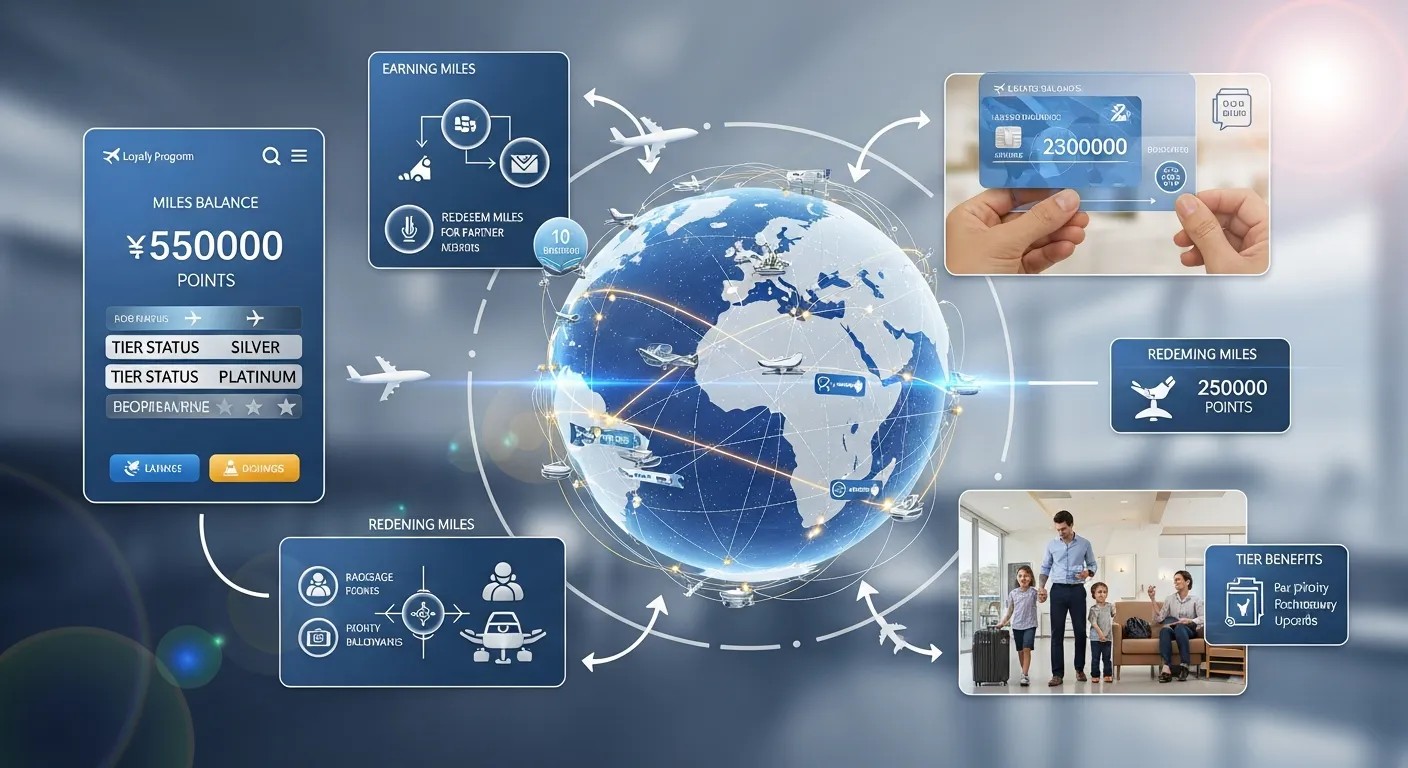
The usual cycle is simple: join, earn, redeem, repeat. You sign up for free, collect rewards when you travel or spend with partners, and later use those rewards for flights or benefits. Airline Loyalty Programs are built on accumulation. That means the value grows when your travel pattern is stable and when you keep your attention on a program long enough to build momentum. If you split your travel across too many programs, the value often gets diluted.
Earning through flights
The most obvious way to earn is by flying. Depending on the airline, you may earn based on the ticket price, the distance flown, or the cabin and fare class you buy. Higher fares sometimes earn more; elite members often earn bonuses; and certain routes may have special promotions. Airline Loyalty Programs reward this behavior because the airline wants loyalty to become routine. The more often you choose one carrier, the more likely the carrier is to keep you in its ecosystem.
The key for beginners is not to overpay just to earn more. If a slightly cheaper flight on another airline fits your schedule better, the difference in rewards may not justify the higher ticket. A good loyalty decision is one where the total value still makes sense after the ticket price, baggage needs, and comfort differences are included.
Earning through partners
Many Airline Loyalty Programs also let you earn through hotels, rentals, dining, shopping portals, and financial products. That can accelerate your balance, but it should never become an excuse to spend on things you do not need. If you already book a hotel or buy a service, earning extra rewards is a nice bonus. If you are changing habits just for points, the math may be weaker than it looks.
Redeeming with discipline
Redemption is where a beginner either finds excellent value or accidentally wastes it. Airline Loyalty Programs may look exciting because of a large balance, but the real question is whether your rewards buy something meaningful. Some redemptions are best for short domestic flights. Others are strong for long-haul trips or premium cabins. The important part is to compare award price, cash price, taxes, and fees before booking.
A smart traveler does not redeem only because the balance is there. A smart traveler redeems when the reward creates a real advantage. That is why flexibility matters so much. If you can shift travel dates by a day or two, or consider an alternate airport, you may unlock much better value.
Status and psychological pull
Airline Loyalty Programs often use status tiers to encourage travelers to keep pushing forward. Once a person sees that they are close to the next level, they may book extra trips or spend more than planned. This is not an accident. The design takes advantage of progress psychology: people tend to work harder when the reward feels near.
That is useful when the extra effort is justified. It is dangerous when it leads to emotional overspending. Before chasing a tier, ask whether the benefits will be used often enough to matter. If not, the chase may be more about identity and satisfaction than practical value.
The psychology of loyalty and trust
Travel is not just logistics. It is emotion. People want certainty, ease, and the feeling that their time will be respected. Airline Loyalty Programs create loyalty partly because they address those needs. They offer recognition, familiarity, and a small but important sense of control.
When a traveler has a good experience, the brain starts to connect the airline with safety and convenience. That connection can be stronger than a small fare difference. You may notice it when you choose the airline you know instead of the one that is only a few dollars cheaper. Airline Loyalty Programs make that preference even stronger by adding visible progress and concrete benefits.
The feeling of progress matters. Watching miles grow or seeing a status badge appear creates a reward loop. The brain likes visible advancement. This is why Airline Loyalty Programs can be motivating even when the cash value is modest. But the same design can cause people to overvalue points and undervalue flexibility. Beginners should learn to enjoy the psychological comfort without letting it override good judgment.
The fear of waste also plays a role. Nobody likes leaving value behind. Once someone starts using Airline Loyalty Programs, they may feel pressure to stay loyal so they do not “lose” future rewards. That feeling is understandable, but it should be checked against reality. Loyalty is only valuable when it genuinely improves your travel life.
What to look for before joining
The first filter is route fit. If an airline serves your home airport well, Airline Loyalty Programs from that carrier may be far more practical than a bigger program that is awkward to use. A strong route network often matters more than flashy marketing. Travel becomes easier when the airline naturally fits the places you already go.
The second filter is redemption flexibility. You want a program that lets you use rewards without too much friction. Airline Loyalty Programs that are hard to redeem can feel impressive on paper yet disappointing in practice. Look for broad seat availability, partner access, reasonable rules, and clear booking tools. The more easily you can turn rewards into actual travel, the better.
The third filter is hidden costs. Taxes, surcharges, and change fees can reduce the value of a reward quickly. Some Airline Loyalty Programs look generous until you see the full out-of-pocket amount. Beginners should compare the total price of an award trip with the cash price of the same trip. That comparison usually reveals whether the reward is truly saving money.
The fourth filter is status difficulty. Some programs are easy to progress through, while others demand a very heavy travel volume. Airline Loyalty Programs should fit your lifestyle, not your fantasy version of travel. If you fly only a few times a year, a simple program with flexible redemption may be better than one built around elite acceleration.
Airline Travel Programs And Perks
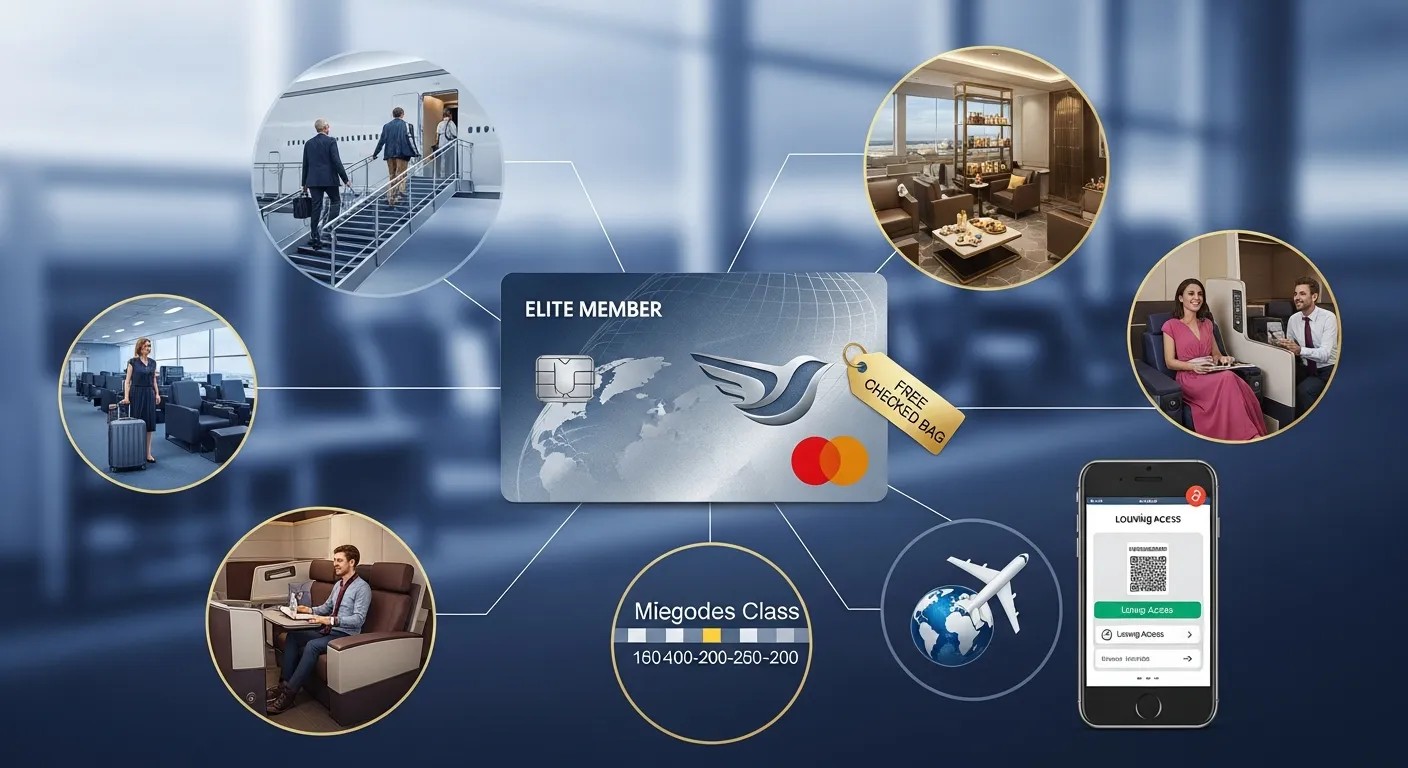
Airline Travel Programs And Perks can include free checked bags, preferred seating, priority boarding, bonus earnings, partner discounts, and service advantages. These extras can be genuinely valuable, but not every perk is equally useful. The right perk is the one you will actually use repeatedly.
Some benefits matter because they reduce friction. Free baggage can cut real costs for families or long trips. Priority boarding can reduce stress about overhead space. Better customer service can make delays less painful. When Airline Loyalty Programs improve the day-to-day travel experience, they stop being abstract and start being practical.
Other perks are more symbolic than useful. A tiny discount in a partner store may not matter much. A vague upgrade “chance” may feel exciting without producing much real value. Beginners should stay focused on the benefits that change the trip in visible ways. That keeps Airline Loyalty Programs grounded in reality rather than marketing language.
Airport Lounge Access
Airport Lounge Access is one of the most visible perks because it changes the emotional tone of travel. Lounge access is one of the most visible perks because it changes the emotional tone of travel. A lounge can offer quiet seating, refreshments, charging outlets, and a calmer environment away from the terminal crowds. For long layovers or delayed flights, that can feel like a major upgrade in comfort and sanity.
The people who benefit most are often those who spend the longest time in airports: frequent flyers, business travelers, and families facing connections. Still, Airline Loyalty Programs should not be judged only by glamour. A lounge matters when it saves energy, reduces chaos, and makes the trip easier. If it does not improve your actual travel experience, then it may not be worth centering in your decision.
There is also a psychological layer. Airport Lounge Access creates a feeling of crossing into a more controlled space. That sense of calm can be important for people who dislike crowds or uncertainty. In that way, Airline Loyalty Programs are not just about comfort; they are about emotional relief.
How to earn value without overthinking it
A solid strategy starts with consistency. If you fly one airline often, concentrate your bookings there instead of scattering them everywhere. Airline Loyalty Programs reward repeated behavior, and concentrated behavior grows value faster than fragmented behavior. This is especially true for travelers who have a clear home airport and predictable routes.
Bonus offers can be useful too. Promotional earning windows, partner multipliers, and limited-time campaigns can accelerate progress. But the rule stays the same: never chase a bonus that makes you pay more than the value you get back. Airline Loyalty Programs are most effective when the bonus supports a trip you already needed, not when it creates an unnecessary one.
Partner earnings can help, especially if they connect to routines you already have. A hotel stay, a business trip, or a normal household purchase may generate extra rewards. The main question is whether the earning path is natural. If it is, great. If it is forced, the value usually shrinks.
How to redeem value without wasting it
The best redemptions usually come from planning ahead. Award seats can disappear on popular routes, especially during holidays or major travel periods. Airline Loyalty Programs reward early thinking because early planners have more options. A little flexibility often unlocks a much better return.
You should also compare alternatives before spending rewards. Sometimes a cash fare is cheap enough that saving points is wiser. Other times an award seat is far more valuable than paying cash, especially on expensive routes or premium cabins. Airline Loyalty Programs are best used when the difference between cash and award value is meaningful enough to justify the redemption.
Being flexible with dates and airports can also improve outcomes. A one-day adjustment can reduce the number of points required or lower extra fees. Airline Loyalty Programs become more powerful when the traveler can adapt slightly rather than insisting on one rigid itinerary.
Travel psychology and risk management
Travel decisions are often made under pressure, which means emotions can distort judgment. That is where Travel Psychology And Risk Management becomes useful. A calm traveler makes better choices about when to buy, when to wait, and when to redeem. Airline Loyalty Programs can support this by giving you a stronger sense of structure.
Risk management in travel is not only about delays or cancellations. It is also about financial risk. Spending too much for a benefit, chasing status too aggressively, or ignoring a simpler cash option can all create avoidable losses. Airline Loyalty Programs should reduce uncertainty, not add another layer of it. The smartest users treat rewards as part of a larger travel plan.
For anxious travelers, routine matters. Seat selection, early check-in, and clear backup plans can reduce fear. When a program makes those routines easier, it has practical mental value. Airline Loyalty Programs are not therapy, but they can create a steadier environment that helps travelers feel more in control.
Severe Flight Anxiety Psychology Hacks
Some travelers need even more structure. Severe Flight Anxiety Psychology Hacks often begin with predictable preparation: packing early, using a fixed airport routine, keeping documents organized, and leaving extra time for check-in and security. Airline Loyalty Programs can help here when they reduce uncertainty and make the journey more familiar.
A traveler who knows what to expect feels less vulnerable. That is why consistent airline choice may matter more than a small price difference. Severe flight anxiety tips can also be supported by repeated service patterns, familiar apps, and clear support channels. When everything feels more predictable, the nervous system often settles down.
The main lesson is that rewards should support peace of mind, not pressure you into more complicated decisions. A calmer travel process is itself a valuable outcome. If Airline Loyalty Programs help you reach that state, they are doing more than saving money.
Common beginner mistakes
The first mistake is chasing status too early. Status can be nice, but it is not automatically valuable. If you are booking extra travel or paying more just to hit a threshold, the program may be winning twice: once from your money and once from your loyalty. Airline Loyalty Programs are best when the benefits match real usage.
The second mistake is ignoring partner networks. Many programs are stronger because they connect to airlines, hotels, and services beyond the main brand. Airline Loyalty Programs often become more useful when you understand the full ecosystem rather than only the front-facing airline.
The third mistake is forgetting expiration rules. Rewards can lose value if they sit too long without activity. A little attention can prevent a lot of waste. Airline Loyalty Programs work best when you maintain a simple habit of checking balances and expiry windows.
The fourth mistake is overpaying just to use points. That can happen when a traveler feels emotionally attached to redemption. Airline Loyalty Programs should never force you into a worse deal simply because the balance is there. A calm comparison is almost always wiser.
Choosing the right program for your type of travel

Occasional travelers usually need simplicity. They should look for easy earning, easy redemption, and low friction. Airline Loyalty Programs for this group should not require constant tracking or aggressive planning. The best fit is usually the one that quietly works in the background.
Frequent flyers care more about cumulative comfort and elite benefits. They may value upgrades, baggage perks, and better support because those benefits show up often enough to matter. Airline Loyalty Programs for this group can become a serious part of the travel budget, especially if routes are consistent.
Family travelers often prioritize seat selection, baggage savings, and scheduling flexibility. A program that lowers stress for multiple people can be more valuable than one that promises flashy luxury. Airline Loyalty Programs can be especially useful here because the small improvements multiply across everyone in the group.
Nervous travelers may prioritize familiarity more than pure value. The peace of knowing what comes next can outweigh a small fare difference. Airline Loyalty Programs can help create a smoother rhythm, and that rhythm often matters more than the reward math itself.
A simple decision framework
Before joining, ask three questions. First: will I use this often enough to matter? Second: can I redeem rewards without frustration? Third: does the program lower stress or just add another task? Airline Loyalty Programs are strongest when the answer to all three is yes.
This framework keeps your decisions honest. It protects you from marketing, emotional overcommitment, and the temptation to chase perks that look exciting but do not change your life. Airline Loyalty Programs should feel like a tool that improves travel, not a game that demands constant attention.
Conclusion
Airline Loyalty Programs work best when they match your real routes, real habits, and real needs. For beginners, the smartest approach is not to chase every benefit but to choose a program that offers practical value and less friction. When used well, rewards can lower costs, improve comfort, and make travel feel more manageable. The best long-term strategy is simple: stay consistent, stay flexible, and keep your focus on benefits that genuinely improve the journey.
Frequently Asked Questions (FAQ)
1. Are Airline Loyalty Programs worth it for beginners?
Yes, when your travel pattern is consistent enough to build real value. If you fly the same carrier or alliance often, the rewards can become meaningful quickly.
2. Do I need to travel a lot to benefit?
Not necessarily. Even occasional travelers can gain from baggage savings, easier redemptions, or partner earning. The key is whether the program fits your habits.
3. What is the difference between points and miles?
Both are reward currencies. The name changes by airline, but the purpose is similar: you collect them and later redeem them for travel-related value.
4. Are lounge perks actually useful?
Often yes, especially during long waits or delays. A quieter space, better seating, and a calmer atmosphere can make a long travel day easier.
5. Should I chase elite status?
Only if the extra spending or travel would happen anyway. Status is useful when the benefits get used often enough to justify the effort.
6. How do I avoid wasting rewards?
Compare cash fares and award prices before booking, and use flexibility when possible. Rewards are most valuable when the redemption is clearly better than paying cash.
7. Can rewards reduce flight anxiety?
They can help by making the trip feel more predictable and familiar. A stable routine and clearer benefits often lower stress for anxious travelers.
8. What should I watch out for?
Hidden fees, hard-to-use redemption rules, and spending extra just to earn more. Those are common ways value gets lost.
9. How important are partner airlines?
Very important. Partner networks can expand earning and redemption options, which makes the program more flexible and useful.
10. When should I review my program choice?
At least once a year, or whenever your travel habits change. A good program should still fit your routes, budget, and comfort needs.