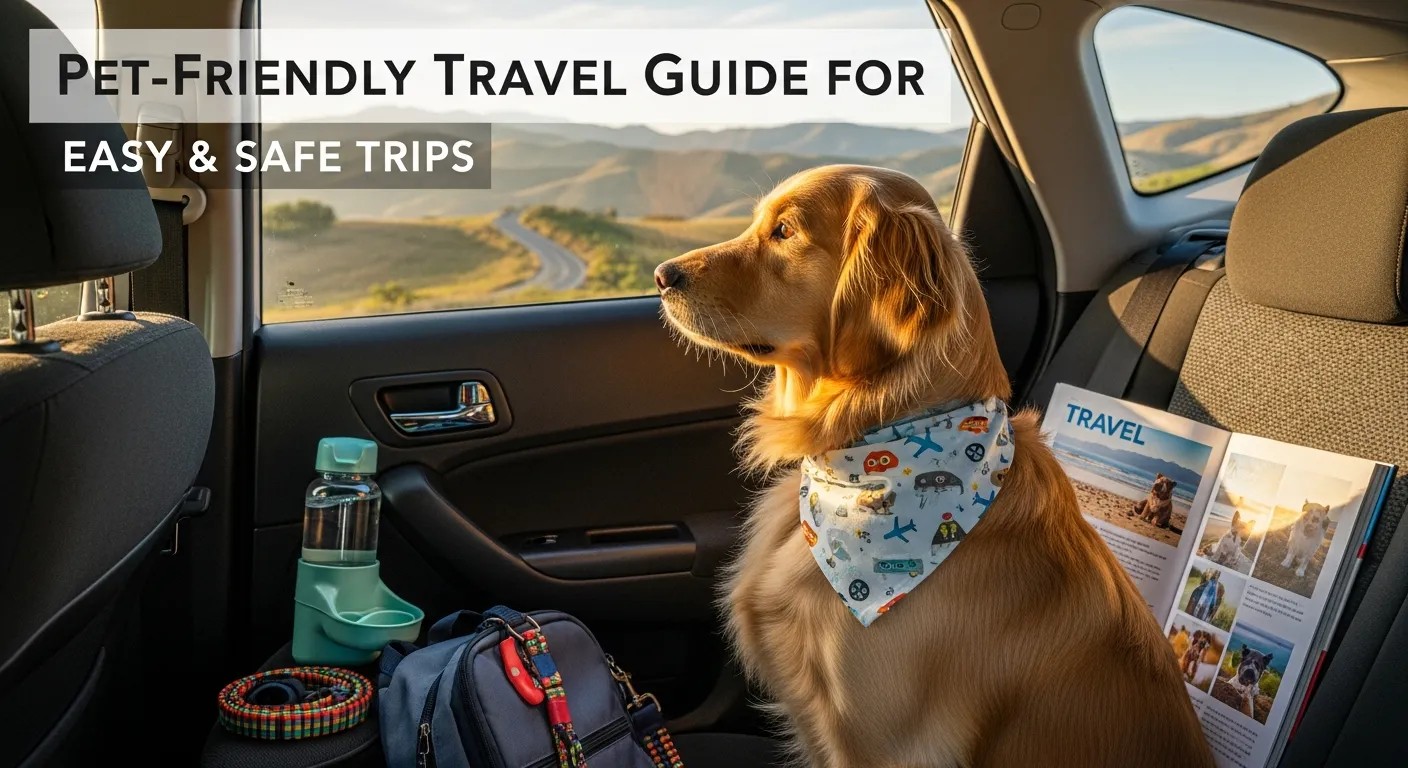
Traveling with pets has soared in popularity in recent years, and 2024 is set to be the year of unforgettable adventures shared with our furry companions. Whether you’re planning a cross-country road trip, a beachside escape, or an urban exploration, taking your dog, cat, or small pet along can enhance every moment. This comprehensive guide walks you through every step of pet-friendly travel, from researching destinations and securing accommodations to packing essentials, ensuring health & safety, and discovering pet-approved activities. Get ready to make memories that last a lifetime – leash and luggage in hand!
Why Travel with Your Pets?
Bringing pets along on vacation isn’t just about convenience; it deepens your bond and reduces stress for both you and your animal companion. Many pets suffer anxiety when left behind or in unfamiliar boarding facilities. By including them in your itinerary, you provide comfort, continuity, and shared experiences that enrich your journey. Plus, pet-friendly destinations often offer unique features like dog beaches, cat cafes, and hiking trails designed for paws. Traveling with pets also fosters new social connections with fellow pet owners and locals, making each trip more interactive and heartwarming.
Planning and Research
Begin by researching pet-friendly destinations. Look for cities, parks, and resorts that welcome animals and offer services like pet sitters, doggy day care, or on-call veterinarians. Check local regulations regarding leash laws, breed restrictions, and vaccination requirements. Some regions require special permits or health certificates for pets entering by land, air, or sea. You’ll also want to verify transportation rules: airlines, trains, and ferries have varying policies on carrier dimensions, weight limits, and health documentation. Join online pet travel communities and review recent traveler reports to gain real-time insights on how destinations treat animals and owners alike.
Choosing Pet-Friendly Destinations
- Beaches and Lakes: Many coastal towns designate dog-friendly beach hours or sections, complete with water stations and waste disposal bins.
- National and State Parks: Some parks allow dogs on certain trails, provided they remain leashed. Always confirm regulations in advance.
- Urban Escapes: Major cities like Portland, Amsterdam, and Tokyo offer pet-friendly cafés, public transport allowances, and green spaces ideal for walks.
- Mountain Retreats: Cabins and lodges in mountainous regions often welcome pets and may provide hiking equipment sized for animals.
- Winery & Brewery Tours: A growing number of vineyards and craft breweries invite dogs on their grounds, sometimes even offering complimentary water bowls and treats.
Accommodation Tips
When booking, filter by pet-friendly properties on major platforms or reach out directly to hotels, B&B’s, and vacation rentals. Confirm whether there are weight or breed restrictions, additional deposits, or cleaning fees. Pack a portable pet bed, familiar toys, and a feeding dish to make any new space feel like home. Consider extended-stay hotels with kitchenettes for easier preparation of your pet’s meals. Always verify emergency protocols for pets in your chosen lodging, including nearby 24/7 veterinary hospitals and pet-care services.
Transportation and Logistics
Transporting your pet safely is paramount. For air travel, book nonstop flights when possible to minimize stress. Use an airline-approved carrier that’s roomy enough for your pet to stand, turn around, and lie down comfortably. Label the carrier with contact info and attach a leash securely. For road trips, secure smaller pets in well-ventilated carriers and larger dogs with a crash-tested harness or barrier. Plan frequent breaks every two to three hours to offer water, exercise, and bathroom stops. Pack portable water bowls, bottled water, and collapsible crates for pit stops and accommodations.
Health & Safety Considerations
- Veterinary Checkup: Schedule an exam 4–6 weeks before departure to confirm vaccinations, update flea/tick prevention, and discuss travel time flight anxiety medications if needed.
- Documentation: Carry health certificates, vaccination records, and any required permits or microchip information.
- First Aid Kit: Include bandages, antiseptic wipes, tweezers, a digital thermometer, and any prescribed medications.
- Identification: Ensure your pet sports a collar with an ID tag and is microchipped with up-to-date contact details.
Packing Checklist for Pets
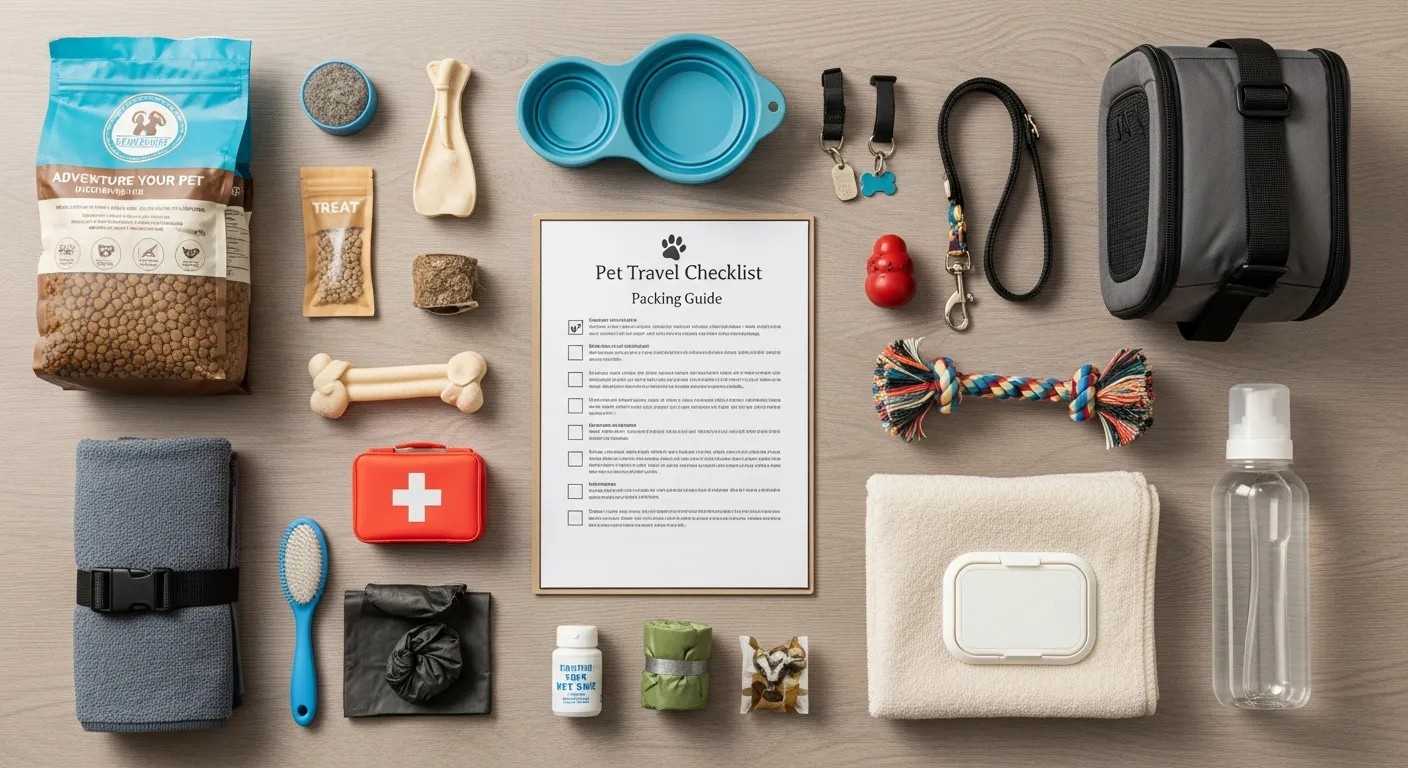
- Food & Treats: Bring a supply of your pet’s regular diet to avoid digestive upset.
- Water & Bowls: Collapsible versions work well for travel.
- Bedding & Toys: Familiar items help reduce anxiety in new environments.
- Waste Management: Biodegradable bags, a scoop, and a portable litter tray for cats.
- Leash, Harness & Carrier: Where applicable, plus spare parts & clips.
- Grooming Supplies: Brushes, pet-safe wipes, and towels.
- Safety Gear: Reflective vest, life jacket for water activities, & booties for rough terrain.
Activities & Experiences with Pets
Many destinations offer pet-centric excursions. Join a group hike or a guided kayaking tour that welcomes dogs. Enroll in a local agility or obedience class for a fun bonding session. Search for pet-friendly restaurants with outdoor patios or rooftop lounges, and treat your companion to gourmet doggie menus or cat-nip snacks at feline cafes. Some cities host pet parades, pop-up markets, and pet wellness events – check local event listings to schedule your trip around these unique experiences.
Etiquette & Responsible Pet Ownership
- Clean Up: Always pick up after your pet and dispose of waste in designated bins.
- Respect Leash Laws: Keep pets leashed where required and under voice control otherwise.
- Reward Good Behavior: Carry treats to reinforce calm behavior in public settings.
- Be Mindful of Others: Some travelers fear or dislike animals; give space when needed.
- Protect Wildlife: Keep pets from chasing wildlife or disturbing protected habitats.
Sample 7-Day Pet-Friendly Itinerary
- Day 1: Coastal Road Trip Start – Drive with your pet to a beachside campground. Evening walk at sunset.
- Day 2: Beach & Boardwalk – Morning swim, afternoon at a dog-friendly café.
- Day 3: National Park Hike – Leashed trail discovery and scenic picnic.
- Day 4: Scenic Train Ride – Pet-friendly rail service to a mountain town.
- Day 5: Mountain Cabin – Relax by the fireplace, local brewery visit with outdoor seating.
- Day 6: Pet Spa & Market – Morning grooming appointment, afternoon farmers’ market stroll.
- Day 7: Leisure Drive Home – Stop at roadside parks, reflect on your adventure.
Understanding the Core of Pet-Friendly Travel Guide
A complete Pet-Friendly Travel Guide is not just about taking pets along for trips; it is about creating a safe, enjoyable, and stress-free travel experience for both pets and owners. Modern travelers increasingly consider pets as family members, which has led to a rise in customized travel solutions.
From transportation to accommodation, every step must be planned with the pet’s comfort in mind. This includes understanding their behavior, dietary needs, and stress levels during travel. A well-structured guide helps eliminate risks and ensures smooth journeys across different environments.
Psychological Benefits of Traveling with Pets
Traveling with pets significantly improves emotional well-being. A reliable Pet-Friendly Travel Guide emphasizes how pets reduce stress, anxiety, and loneliness during trips.
Animals provide companionship that enhances emotional stability, especially during long journeys or unfamiliar environments. Their presence also helps owners feel more secure and relaxed.
Interestingly, pet travel experiences are now even integrated into lifestyle trends like Digital Nomad Travel, where remote workers travel with pets while working online, creating a balanced lifestyle of productivity and companionship.
Preparing Pets for Long-Distance Travel
Preparation is the foundation of any successful journey. A structured Pet-Friendly Travel Guide recommends gradual training before long trips.
Pets should be introduced to carriers, vehicles, and new environments slowly to reduce anxiety. Short practice trips help them adapt to motion and unfamiliar surroundings.
Owners should also observe behavioral changes, ensuring pets are comfortable with longer travel durations. Proper preparation ensures safety and reduces travel-related stress for both pets and owners.
Choosing the Right Travel Mode
Different travel modes require different planning strategies. A reliable Pet-Friendly Travel Guide evaluates air travel, road trips, trains, and ferries.
Road trips are often the most flexible, allowing frequent breaks. Air travel requires strict documentation and carrier compliance. Train travel can be more relaxed but varies by country policies.
Choosing the right mode depends on distance, pet size, and comfort level. Proper selection ensures smoother transitions and safer journeys.
Importance of Climate and Weather Awareness
Weather conditions play a critical role in pet travel safety. A responsible Pet-Friendly Travel Guide always includes climate planning.
Extreme heat or cold can negatively impact pets during travel. Hot weather increases dehydration risks, while cold climates may require protective clothing for animals.
Before planning a trip, check seasonal forecasts and avoid extreme weather conditions. This ensures pets remain comfortable and healthy throughout the journey.
Managing Pet Anxiety During Travel
Travel anxiety is common among pets, especially during long journeys. A practical Pet-Friendly Travel Guide focuses on reducing stress through behavioral techniques.
Calming toys, familiar scents, and soft bedding help create a sense of security. Some pets may also benefit from vet-recommended calming aids.
Regular breaks, gentle communication, and maintaining routines significantly reduce anxiety levels. Emotional comfort is just as important as physical safety during travel.
Feeding and Hydration Strategies on the Go
Proper nutrition is essential for maintaining pet health while traveling. A complete Pet-Friendly Travel Guide highlights feeding schedules and hydration management.
Pets should be fed at consistent intervals to avoid digestive issues. Sudden changes in diet should be avoided during travel.
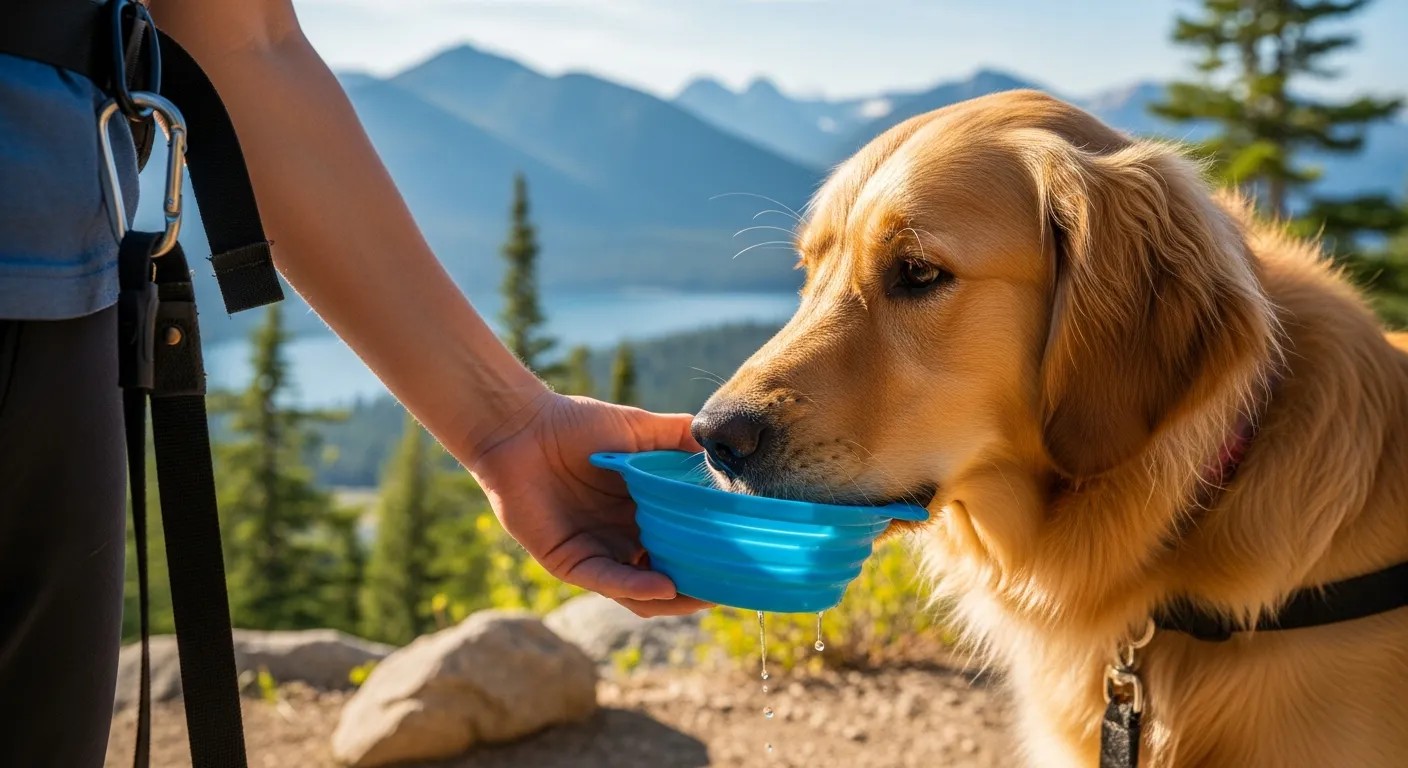
Fresh water should always be available, especially during road trips or warm climates. Portable water bottles and collapsible bowls make hydration easier and more efficient.
Safety Measures for Outdoor Adventures
Outdoor activities are a major part of pet travel experiences. A strong Pet-Friendly Travel Guide includes safety protocols for hiking, camping, and beach visits.
Pets should always wear identification tags and be kept on a leash in unfamiliar environments. Protective gear such as booties and reflective vests enhance safety.
Owners should also be aware of wildlife risks and toxic plants in outdoor areas. Preparation ensures safe and enjoyable exploration experiences.
Emergency Planning and Veterinary Access
Unexpected situations can occur during travel, making emergency planning essential. A reliable Pet-Friendly Travel Guide always includes access to veterinary services.
Before traveling, research nearby veterinary clinics and emergency hospitals. Keep digital and physical copies of vaccination records and medical history.
First aid kits should be easily accessible, containing essential medical supplies. Quick response planning can make a significant difference in emergencies.
Budgeting for Pet-Friendly Travel
Traveling with pets involves additional costs. A practical Pet-Friendly Travel Guide helps owners plan budgets effectively.
Expenses may include transportation fees, pet-friendly accommodations, food supplies, and medical care. Some hotels also charge additional cleaning fees.
Planning ahead ensures financial stability during travel. Budget-friendly options like pet-friendly hostels or rentals can significantly reduce costs.
Socialization and Behavior in Public Spaces
Proper behavior is crucial when traveling with pets in public areas. A responsible Pet-Friendly Travel Guide emphasizes training and socialization.
Pets should be trained to behave calmly in crowded places like cafes, airports, and parks. Positive reinforcement techniques help improve behavior over time.
Respecting others is equally important, ensuring that pets do not disturb strangers or other animals. Good behavior enhances overall travel experiences.
Future Trends in Pet-Friendly Travel Industry
The future of pet travel is evolving rapidly. A modern Pet-Friendly Travel Guide reflects new innovations and services emerging in the industry.
Pet-friendly hotels, airlines, and tourism services are becoming more advanced and accessible. Smart tracking devices, pet travel insurance, and AI-based travel planning tools are also gaining popularity.
As lifestyles evolve, more travelers are embracing pet-inclusive experiences. This trend ensures that future travel will be more inclusive, safe, and enjoyable for pets worldwide.
Importance of Pet Identification During Travel
A complete Pet-Friendly Travel Guide always highlights the importance of proper pet identification. When traveling, pets can easily get lost in unfamiliar environments, making identification crucial for their safety. Collars with ID tags containing owner contact information are essential at all times. Microchipping adds an extra layer of security, ensuring pets can be traced even if they lose their collar.
Travelers should also update registration details before starting the journey. Including an emergency contact number is highly recommended, especially for international trips. A well-prepared identification system gives peace of mind and significantly increases the chances of recovery in case of separation. Pet identification is not just a precaution—it is a responsibility every traveler must prioritize.
Training Pets for Travel Behavior
Training plays a vital role in ensuring smooth travel experiences. A proper Pet-Friendly Travel Guide encourages basic obedience training before any journey begins. Pets should be comfortable with commands like sit, stay, and come, especially in public or crowded areas.
Gradual exposure to travel environments helps reduce fear and anxiety. Short car rides, visits to parks, and exposure to noise can prepare pets for real travel conditions. Positive reinforcement techniques, such as treats and praise, help reinforce good behavior.
Well-trained pets are easier to manage during transportation, accommodation stays, and outdoor activities. Training not only improves safety but also enhances the overall travel experience for both owner and pet.
Choosing Pet-Friendly Activities and Experiences

A well-designed Pet-Friendly Travel Guide emphasizes selecting activities that both pets and owners can enjoy together. Not all attractions are suitable for animals, so careful planning is essential.
Outdoor experiences such as hiking trails, dog beaches, and camping sites are ideal options. Many cities also offer pet-friendly cafés, parks, and recreational spaces designed specifically for animals. Some destinations even host pet festivals and community events.
Choosing the right activities ensures pets remain active, engaged, and happy throughout the trip. It also strengthens the bond between pets and owners, creating memorable shared experiences that enhance the overall journey.
Importance of Travel Insurance for Pets
Travel insurance is becoming an essential part of modern Pet-Friendly Travel Guide planning. Unexpected medical emergencies, accidents, or travel disruptions can occur at any time, making insurance highly valuable.
Pet travel insurance covers veterinary costs, emergency treatments, and sometimes even trip cancellations. This provides financial protection and reduces stress during unforeseen situations.
Before purchasing, travelers should carefully review policy details, including coverage limits and exclusions. Choosing the right insurance plan ensures peace of mind and allows pet owners to focus more on enjoying their journey rather than worrying about risks.
Building a Long-Term Pet Travel Lifestyle
Pet-friendly travel is not just a one-time activity—it can become a long-term lifestyle. A modern Pet-Friendly Travel Guide encourages integrating pets into regular travel routines.
Many people now combine travel with remote work, allowing pets to accompany them across different locations. This lifestyle creates flexibility and deeper companionship. Even short weekend trips can contribute to stronger bonds and better emotional well-being for both pets and owners.
By planning consistently and adapting to pet needs, travelers can build a sustainable and enjoyable travel lifestyle that includes their furry companions in every adventure.